








CRYPTO CRIME 🇰🇪 | Kenyan Lawyer at Centre of Major Terror-Financing Investigation Tied to Crypto Transactions

My first time to learn about Bitcoin was back in 2015, when Ross Ulbricht was convicted for running Silk Road. I remember thinking Silkroad was so cool. People get to anonymously buy what they want without surveillance. Further down the article, people were buying drugs and that was kind of a grey area but hey, adults have personal responsibility. Then I’d get to the murder for hire paragraph and suddenly, this whole crypto thing was heinious. Sometimes, anonymity is a knife to the chest.
Anyways, on Friday morning in Mombasa, officers from the Anti-Terrorism Police Unit were moving quietly through the city’s central district.By noon, a well-known lawyer had been picked up.
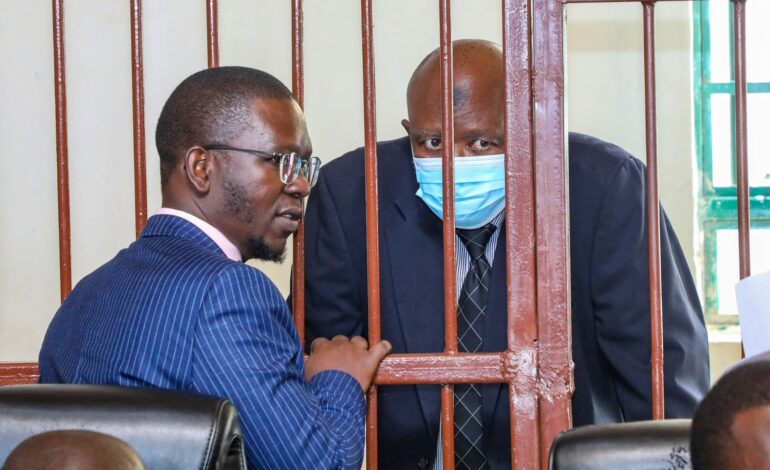
It was Andrew Chacha Mwita, a lawyer whose face is familiar in high-stakes terror cases along the Coast. The irony was crazy; a man who stood beside terror suspects was now being driven into Nairobi under armed escort, accused of financing the same networks he often defended in court.
His arrest formed part of a broader counter-terrorism sweep With twenty-two people taken in, investigators describe the group as a mixture of recruiters, fixers, travel coordinators, and money movers. Mwita’s name appeared in the middle of their operational web.
According to ATPU officers, the breakthrough came months earlier when ten young Kenyans were intercepted en route to Puntland. Investigators say they were headed to join ISIS-linked formations operating in the region. Their phones, travel contacts, and financial trails led detectives to a network that blended legitimate businesses with covert financing channels.
Crypto transfers sat at the centre of it.
When Mwita appeared at the Kahawa Law Courts, detectives were still tracing the money trail through crypto transfers ricocheting between wallets, bank movements masked through small hops, and mobile-money lines registered under throwaway numbers.
To investigators, it looked like a man quietly coordinating recruit movements along the coast and up to Kenya’s border towns. His lawyers called it an overreach but the magistrate didn’t buy it.
In Conclusion
If someone with a lawyer’s access can slip into these networks, how many more are still out there?