








What Really Gives Bitcoin Its Value

Bitcoin is a strange thing at first. You cannot touch it, you cannot hold it, and you cannot keep it in your pocket like a coin. Yet it carries real value across the world. People save it, trade it, and trust it. To understand why, it helps to forget the complicated diagrams and start with simple ideas about what makes anything valuable in the first place.
Value comes from agreement. People agree that gold is valuable because it is scarce and hard to find. People agree that money in the bank is valuable because the government says so and everyone accepts it in shops. Even a pair of branded shoes can be valuable because people desire it. Bitcoin fits into this long line of things that gain value through usefulness, trust and limited supply.
Bitcoin’s price often looks shocking to someone seeing it for the first time. How can a digital asset, something you cannot hold in your hand, be worth tens of thousands of dollars? The answer sits inside the same qualities that give Bitcoin its value but amplified by a simple economic truth: when something is limited and the entire world is trying to get a piece of it, the price naturally rises.
Think of the supply first. There will only ever be twenty one million bitcoins. Not one more. This limit is written into the code. Many of the coins are already in circulation, some are lost forever, and the remaining supply enters the market at a slower and slower pace because the mining rewards keep reducing over time. Bitcoin is one of the few assets on Earth with a fixed supply that cannot be changed by governments or companies. When a fixed supply meets growing demand, prices tend to rise. It is the same reason land in a crowded city becomes expensive. There is only so much of it, and more people want a piece every year.
Demand for Bitcoin has been rising for many reasons:
- Some people buy it as a modern form of saving.
- Others buy it to avoid inflation in their local currencies.
- Some use it to move money across borders with ease.
- Some see it as a technology that will shape the future and want to hold a part of that future early.
- On top of that, institutions, investment funds and even governments have started buying it.
When this many groups chase the same limited asset, competition pushes the price up.
Another part of the reason is trust. People trust Bitcoin’s rules. They trust that no single authority can print more or secretly change the system. They trust that it will remain secure and open. This trust has grown stronger over the years, especially as Bitcoin has survived market crashes, government pressure, hacks on exchanges and many predictions of its death. The longer it survives, the more people believe in it, and belief itself becomes part of the price.
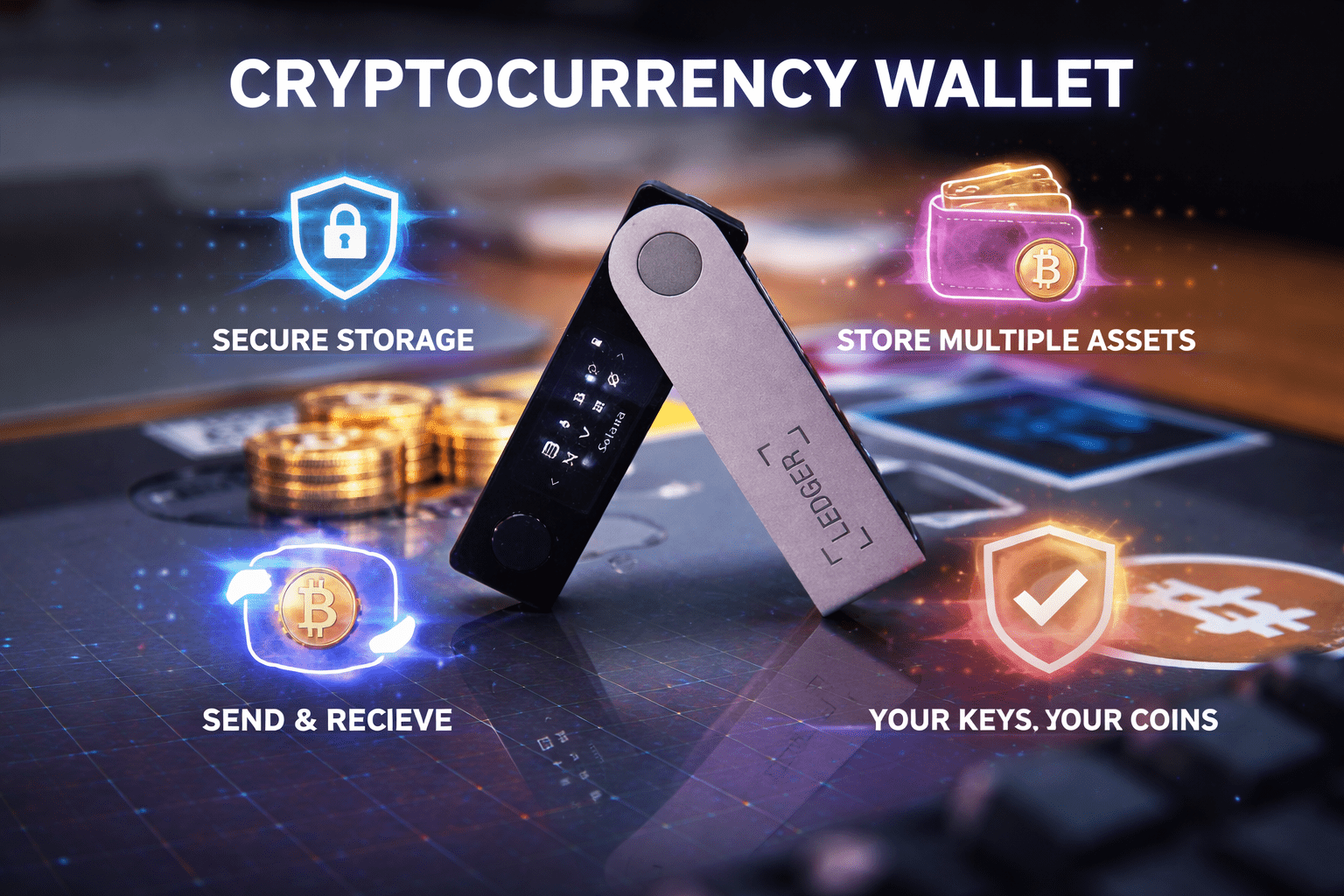
Bitcoin also has the unique property of being resistant to censorship. If you want to send money through a bank, many things can interfere. The bank can block the payment. The payment app can freeze your balance. The government can set restrictions. Bitcoin avoids this. If you control your wallet and your private keys, you can send value to anyone, anywhere, without asking for permission. For people in countries with unstable currencies, limited banking access or strict financial controls, this freedom is powerful.
Bitcoin’s divisibility adds another layer of practicality. One coin can be broken down into one hundred million tiny units called satoshis. You do not need to buy a full bitcoin. You can own a very small amount and still be part of the system. This makes it accessible to anyone, not just wealthy investors.
It is also one of the easiest forms of value to move. Transporting a large amount of cash or gold requires trucks, guards, and a great deal of planning. Bitcoin can move across borders in minutes. You only need a phone or computer and an internet connection. This portability makes it useful for the modern, digital world where everything moves quickly.
Bitcoin also benefits from something called the network effect. The more people who use it, the more useful it becomes. And the more useful it becomes, the more people want to use it. This creates a feedback loop that pushes value upward. When Bitcoin was young and had few users, it was almost worthless. Today it is owned by millions of people, supported by thousands of companies, recognized by most governments, and discussed in nearly every financial circle. High prices are a natural outcome of such wide adoption.
Another factor is competition. When people look at their options for storing value, Bitcoin stands out because it is independent, global, scarce and easy to move. Many assets that used to serve as safe havens, like real estate, gold or certain currencies, come with problems such as slow movement, heavy regulation or inflation. Bitcoin presents itself as a clean alternative. As confidence in traditional systems drops, interest in Bitcoin grows, and the price grows with it.
Speculation also plays a role. When people expect the price to rise, they buy, and this buying pushes the price even higher. This part of the story is not unique to Bitcoin. Stocks, commodities and even property behave the same way. The difference is that Bitcoin’s limited supply makes these swings sharper because there is not enough new supply to balance the sudden rise in demand.
All these forces meet in one place: the open market. Buyers and sellers agree on a price every second, and that price reflects everything at once. Scarcity, trust, adoption, speculation, global demand and the fear of missing out all mix together.
The price is high because Bitcoin has become a global asset that millions of people want to hold, while the supply remains tiny and fixed. It is like having a small plot of digital land in a world where the population keeps rising. The more people who decide they want that land, the higher the price climbs.
Many now treat Bitcoin as a kind of digital gold. It offers qualities similar to gold, such as limited supply and use as a store of value, but improves on them with better portability, easier verification and global reach. People use it not just to buy things but to protect their savings in an uncertain world.
Some critics argue that Bitcoin is “backed by nothing.” But modern money is also not backed by gold anymore. It is backed by trust in a government. Bitcoin is backed by trust in its code, in its fixed supply, in its security and in the global community that keeps it running. All money relies on shared belief. Bitcoin simply uses a different foundation for that belief.
Of course, Bitcoin also has risks. Its price can swing sharply. Governments may regulate it in ways that affect how it is used. People can lose their wallets or fall for scams if they are not careful. These risks do not erase its value but they are part of the full picture.
In the end, Bitcoin’s value comes from a mix of scarcity, security, openness, independence and global acceptance. It offers a new way for people to store and move value, free from traditional controls. It is not magic. It is a combination of technology and human belief, shaped into a new form of money that fits the digital age.