








The Rise of Tokenized Assets

The way we think about money and ownership is starting to change. For years, blockchain technology was known for cryptocurrencies and speculation. But a quiet shift has been happening in the background. Real world financial assets are beginning to move on chain. Government bonds, real estate shares, gold, investment funds and even trade documents are now being converted into digital tokens that anyone can hold.
These digital versions are known as tokenized assets.
This idea may sound technical, but the purpose is simple. Tokenization takes something that already exists in the real world and gives it a digital form that can move instantly, settle faster and reach more people. It brings the speed of the internet to the world of finance.
Businesses use it to cut costs. Investors use it to access new markets. Institutions use it to unlock better liquidity. Everyday people use it to invest without barriers. As more assets become tokenized, the financial system begins to feel less like paper and more like software.
In order to fully understand Tokenized Assets, we will focus on answering the following questions:
- How are assets really tokenized? Step by step
- Do you really own the assets?
- Can tokenized assets be transferred?
- How are the prices different from the real assets?
- What are the main benefits of tokenized assets?
- What are the main risks?
- How will regulation shape tokenized assets?
How are assets really tokenized? Step by step
The process of turning a real asset into a token depends on the platform and the type of asset, but most tokenization projects follow the same basic path. It begins with choosing the asset. A company or financial institution decides what they want to tokenize. It might be a batch of US Treasury bills, a building that will be divided into smaller ownership units, or a pool of short term corporate bonds. They also set up the legal structure, often through a special purpose vehicle or a regulated fund that will officially hold the asset.
Once the asset is selected, it must be placed in safe hands. A custodian or trustee takes control of the real asset. This is normally a regulated bank, a licensed broker or trust company, or a regulated fund. The custodian is responsible for keeping the asset secure and making sure all rules of the tokenization program are followed.
With the real world part in place, the digital side begins. Developers create smart contracts on a blockchain. These contracts set the rules for the token. They decide how many tokens will exist, what each token represents, and how transfers, restrictions and redemptions will work. After everything is coded and deployed, the smart contract mints the tokens.
Next comes the legal connection. Documents are created to explain what rights each token holder has. This includes things like whether they earn yield, how they can redeem their tokens, how disputes are handled and what protections they have if something goes wrong. These documents decide how strong the link is between the token and the real asset.
After that, the tokens can be released to the market. They may be sold on an exchange, offered to institutions through private deals, or used inside DeFi platforms as collateral or yield generating products. Once the tokens are in circulation, they can be moved between wallets just like any other blockchain asset.
The final step is ongoing management. The issuer continues to take care of the underlying asset, pay out yield or interest when due, handle redemptions from token holders and publish reports or audits to show that everything is still backed properly.
This full cycle is what turns a traditional asset into a liquid, transparent and easily transferable digital token.
Do you really own the assets?
Whether you truly own a tokenized asset depends on how the project is set up. Not all tokenized assets work the same way. In fact, there are two main models, and they offer very different levels of protection and ownership.
In the first model, the token gives you a direct claim on the real asset. This means the asset is held inside a legal structure such as a fund or trust, and your token represents your share of that structure. You are considered a beneficial owner. Your rights are written clearly in the legal documents, and even if the issuer goes out of business, you still have a valid claim to the underlying assets. This works very much like traditional securities, only in digital form.
The second model is different. Here, the token is more like a promise from the issuer rather than a direct piece of the asset itself. You have exposure to the asset, but mainly because the issuer says so. If the issuer runs into trouble, your token may be treated like unsecured debt. This means your claim is weaker and depends heavily on the financial health of the issuer. It feels less like ownership and more like holding an IOU.
Because the difference between the two models is so important, it is essential to read the documents that come with the token. The offering papers, the terms of service and any legal disclosures will tell you what rights you actually have. A token living on a blockchain does not automatically give you real ownership. The legal structure behind the token is just as important as the technology that powers it.
Can tokenized assets be transferred?
Tokenized assets can usually be transferred, and this is one of the biggest advantages of putting real world value on a blockchain. Since these assets exist as digital tokens, they can move between wallets, be traded on exchanges or DeFi platforms, and even be used as collateral in lending systems. This flexibility makes them far more liquid than many traditional financial products.
However, there are some rules to keep in mind. Not every token can move freely. Some tokenized assets come with transfer restrictions because of regulatory requirements. This might mean the tokens can only be sent to approved or whitelisted wallets, or that only investors in certain regions can hold them. Some tokens may require KYC checks or have lock up periods before they can be moved. In these cases, the smart contract enforces the rules, making sure the tokens only go where they are allowed to go.
One of the biggest benefits is speed. Transfers of tokenized assets often settle within seconds or minutes. In the traditional system, moving securities through custodians can take days. The faster settlement makes tokenized assets very useful for collateral, treasury management and any situation where timing matters.
How are the prices different from the real assets?
In theory, a tokenized asset should stay very close in price to the real asset it represents. If a token gives you exposure to a Treasury bill, for example, its value should match that bill. But in real markets, the two prices can drift apart for several reasons.
One of the biggest factors is liquidity. If the token trades in a small market with only a few buyers and sellers, the price can swing more than expected. When demand is high, the token might trade at a premium. When there are not enough buyers, it might fall below the value of the real asset. Thin markets often create wider spreads and more price noise.
Fees also play a role. Management fees, custody costs and platform fees can slowly reduce the value of the token compared to the underlying asset. The real asset may grow at a steady rate, while the token’s growth is reduced by these charges.
Another factor is market access. Sometimes, buying the real asset is difficult for many investors. If the token makes access easier, people may be willing to pay a little more for it, which pushes the token price above the value of the underlying asset. In this case, the convenience creates a premium.
Finally, perceived risk can cause the token to trade at a discount. If investors are unsure about the legal structure, the issuer’s stability or the regulatory environment, they may demand a lower price to compensate for the uncertainty. The underlying asset may be safe, but the token’s value reflects the risks surrounding how it is packaged and managed.
Because of these factors, token prices and real asset prices can be close, but rarely identical.
What are the main benefits of tokenized assets?
Tokenized assets come with several benefits that make them appealing to both everyday users and large institutions. One of the biggest advantages is speed. Traditional financial transactions can take days to settle, but tokenized assets can move and settle within minutes. This makes the system more efficient and removes many of the delays found in older financial processes.
Costs can also be lower. Because blockchain removes many of the intermediaries usually involved in transferring or settling assets, the overall fees can drop. This means investors may keep more of their returns instead of paying multiple layers of middlemen.
Another major benefit is fractional ownership. Tokenization allows people to own small pieces of large assets, such as real estate or government bonds, which would normally require much more money to access. This opens up investment opportunities to a much wider group of people.
Tokenized assets are also global by design. Anyone with an internet connection and a digital wallet can take part, regardless of location. This level of access has never been possible in traditional markets.
Beyond access and cost, there is programmability. Tokenized assets can include features like automatic interest payments or built in collateral management, making them easier to use inside digital financial systems.
Finally, transparency improves because blockchain records are open and clear. Every movement of a token can be tracked, making audits and verification much simpler.
These benefits are especially valuable for institutions that need fast settlement, efficient collateral management and smooth cross border operations. Tokenized assets give them tools that are faster, clearer and more flexible than traditional systems.
What are the main risks?
Tokenized assets have many benefits, but they also come with real risks that should not be ignored. One major concern is legal uncertainty. In some cases, it is not always clear what rights a token holder has, especially if something goes wrong. The laws around ownership and digital assets are still developing, and this can create confusion.
There is also counterparty risk. The issuer or the custodian who holds the real asset must be trustworthy. If they fail, mishandle assets or run into financial trouble, token holders could be affected. The token is only as strong as the institution standing behind it.
Because tokenized assets run on smart contracts, there is also the risk of bugs or exploits. A mistake in the code or a vulnerability in the contract can lead to loss of funds or unexpected behavior.
Regulation is another factor. Rules can change quickly, and regulators may place limits on how certain tokens can be traded or who can hold them. This can affect liquidity and access.
Liquidity risk is also important. If the market for a token is small, it may be hard to sell at a fair price when needed. Prices can swing more in thin markets, which adds extra uncertainty.
For these reasons, investors should treat tokenized assets with the same care and seriousness as traditional investments. They are not just another set of crypto tokens. They represent real world value and carry real world risks.
How will regulation shape tokenized assets?
Regulation is beginning to play a bigger role in the world of tokenized assets, and this will shape how the market grows in the coming years. For a long time, tokenization moved faster than the rules around it, which left many investors unsure of what protections they actually had. Now, governments and regulators are starting to catch up.
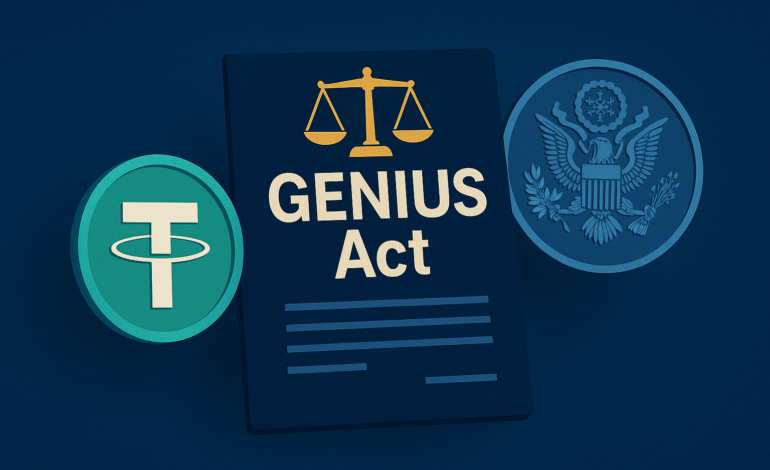
New laws for stablecoins, such as the GENIUS Act, help clarify the settlement layer. Since stablecoins are often used to buy and sell tokenized assets, having clear rules for how they should be issued and backed makes the whole system more dependable. At the same time, securities regulators are looking at how existing rules apply to tokenized shares and bonds. This helps define what counts as a security and what responsibilities issuers must meet.
Licensing frameworks are also emerging for companies that handle custody or tokenization services. These rules set standards for how real world assets must be stored, managed and reported.
Stronger rules can bring several benefits. They can protect investors by making sure tokenized products are backed properly. They can attract large institutions that need clear legal guidelines before they can participate. They can also reduce the number of low quality or opaque products that might harm the market.
There is, however, a need for balance. Too much regulation can slow innovation or make tokenization harder to adopt. The goal is to create a system that is safe and trustworthy without limiting the potential of this new technology.
TL;DR
- Tokenized assets are digital tokens that represent real world value
- They are created by putting assets in custody, wrapping them in legal structure and issuing blockchain tokens
- Whether you truly “own” the asset depends on the legal design, not just the smart contract
- They can usually be transferred, but under specific rules and compliance controls
- Prices often track the underlying asset, but can deviate due to liquidity, risk and fees
- Benefits include speed, access, fractional ownership and programmability
- Risks include legal uncertainty, issuer risk, smart contract risk and liquidity risk
- Stablecoins and regulation are key pillars that support the future of tokenized assets