








Kenya’s Digital Payments Sector Pushes Back Against New Finance Bill 2026 Levies

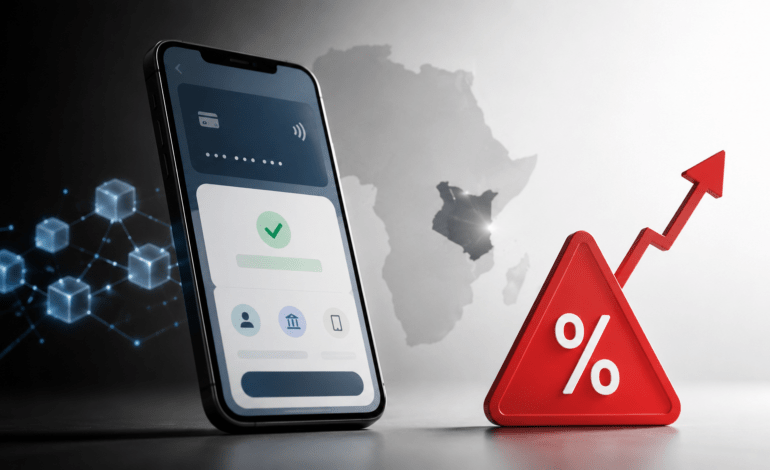
Kenya’s digital payments sector is warning that new tax proposals in the Finance Bill 2026 could make mobile money, card payments, and digital financial services more expensive for users and businesses.
The concern was raised during an Africa Day crypto forum, where players in the cryptocurrency and digital payments space pushed back against proposed levies they say could slow down innovation in one of Kenya’s most important financial sectors.
The National Treasury is seeking to introduce a 16% VAT on services provided by payment service providers, including platforms linked to mobile money services such as M-Pesa and Airtel Money. The proposals also include a 25% excise duty on mobile phones and withholding tax measures affecting card payments.
For a country where mobile money is part of daily life, the debate is bigger than tax policy. It is about the future of Kenya’s digital economy.
Why the Finance Bill 2026 Has Raised Concerns
Kenya has built one of the strongest digital payments ecosystems in Africa.
Millions of people use mobile money to send funds, pay bills, buy goods, receive salaries, support relatives, and run small businesses. For many Kenyans, mobile money is not just a convenience. It is the main connection to financial services.
This is why the proposed levies have raised concern.
Digital payment companies, crypto industry players, banks, merchants, and users fear that new taxes could increase transaction costs. If payment providers pass those costs to customers, ordinary users may end up paying more to transact.
That could affect:
- Mobile money users
- Small businesses
- Online sellers
- Merchants using card payments
- Fintech startups
- Crypto traders using local payment rails
- Digital platforms serving Kenyan customers
The industry’s argument is simple. Kenya should not tax digital payments in a way that discourages people from using them.
What Is Being Proposed?
The Finance Bill 2026 includes several proposals that could affect the digital financial services sector.
The most discussed proposal is the introduction of 16% VAT on services offered by payment service providers. This may affect payment processing, digital transfers, and merchant acquiring services.
Another concern is the proposed withholding tax treatment for card payment flows. Industry players argue that some operational settlement flows in card networks should not be treated as taxable income in the same way as royalties or management fees.
The Bill also proposes changes around excise duty on mobile phones, with reports pointing to a 25% excise duty proposal. This could raise concerns because smartphones are a major entry point into digital payments, mobile banking, online business, and crypto access.
Why This Matters for Crypto in Kenya
Crypto adoption in Kenya is closely connected to digital payments.
Many Kenyans who buy and sell crypto use mobile money as the bridge between local currency and digital assets. On peer-to-peer crypto platforms, users often pay each other through M-Pesa, Airtel Money, or bank transfers.
This means any major increase in digital payment costs can indirectly affect crypto activity.
If mobile money transfers, payment processing, or merchant payments become more expensive, crypto users may also feel the impact. It could raise the cost of buying crypto, settling P2P trades, and moving funds between fiat and digital assets.
Kenya Is Trying to Balance Revenue and Innovation
The government’s position is easy to understand. Kenya needs tax revenue. As more business moves online, the government wants digital services to contribute to the tax base.
But the industry is asking for balance.
Taxing a mature sector is different from taxing a fast-growing sector that still needs room to expand. Digital payments, fintech, and crypto are still developing. Heavy taxes at an early stage can slow adoption, reduce investment, and make services less affordable.
This is especially important for small businesses.
A shop owner who accepts mobile payments may already deal with business costs, payment fees, rent, licensing, supplier costs, and taxes. If digital payment costs rise further, some merchants may shift costs to customers or return to cash.
That would be a step backward for Kenya’s cash-light economy.
Could the New Levies Make Digital Payments More Expensive?
Yes, that is the main fear.
When payment service providers face higher taxes, they may absorb the cost or pass it on to customers. In many cases, businesses pass at least part of the cost to users through higher fees.
If that happens, users may pay more for:
- Sending money
- Receiving payments
- Paying merchants
- Card transactions
- Online payments
- Digital wallet services
- Crypto-related fiat transfers
Even small fee increases matter in Kenya because mobile money is used frequently and by people across income levels.
For low-income users, small businesses, boda boda operators, market traders, online sellers, and freelancers, payment fees are not abstract numbers. They affect daily income.
Why Mobile Phones Are Part of the Debate
The proposed excise duty on mobile phones is also important.
A mobile phone is not just a communication device anymore. It is a bank branch, payment terminal, business tool, savings wallet, investment gateway, and crypto access point.
If phones become more expensive, it may affect digital inclusion.
This matters because many Kenyans access digital financial services through smartphones. A higher cost of devices could slow the growth of mobile-based financial services, especially among young people and low-income users.
In simple terms, expensive phones can make digital access harder.
The Private Sector Wants a Softer Approach
Private-sector groups have also pushed back against some of the Finance Bill 2026 proposals.
Their concern is that the Bill could increase costs across the payments ecosystem and affect merchants, banks, fintechs, and customers.
The Kenya Private Sector Alliance has reportedly raised concerns over VAT on digital financial services, warning that the changes could affect digital payments and merchant services. The Kenya Bankers Association has also warned that new levies could hurt the digital payments system.
This shows that the concern is not limited to crypto companies.
Banks, fintechs, payment processors, merchants, and crypto firms all depend on a healthy digital payments infrastructure.
Why Kenya Must Be Careful
Kenya has long been seen as a global leader in mobile money.
M-Pesa helped turn the country into a fintech case study. It showed the world how mobile phones can expand financial access, especially in markets where many people do not use traditional banking services.
That leadership should not be taken for granted.
Other African countries are also improving their fintech and crypto environments. South Africa is building clearer digital asset rules. Nigeria has a large crypto user base. Rwanda, Ghana, and other markets are also trying to attract digital innovation.
If Kenya makes digital payments too expensive, it could weaken its competitive advantage.
What Happens Next?
The Finance Bill 2026 is still part of a policy process. Industry players, business groups, lawmakers, and the public are expected to continue debating the proposals before final decisions are made.
The key question is whether Kenya can design a tax system that raises revenue without hurting digital adoption.
A balanced approach could include targeted exemptions, phased implementation, clearer definitions, or protections for low-value transactions and small businesses.