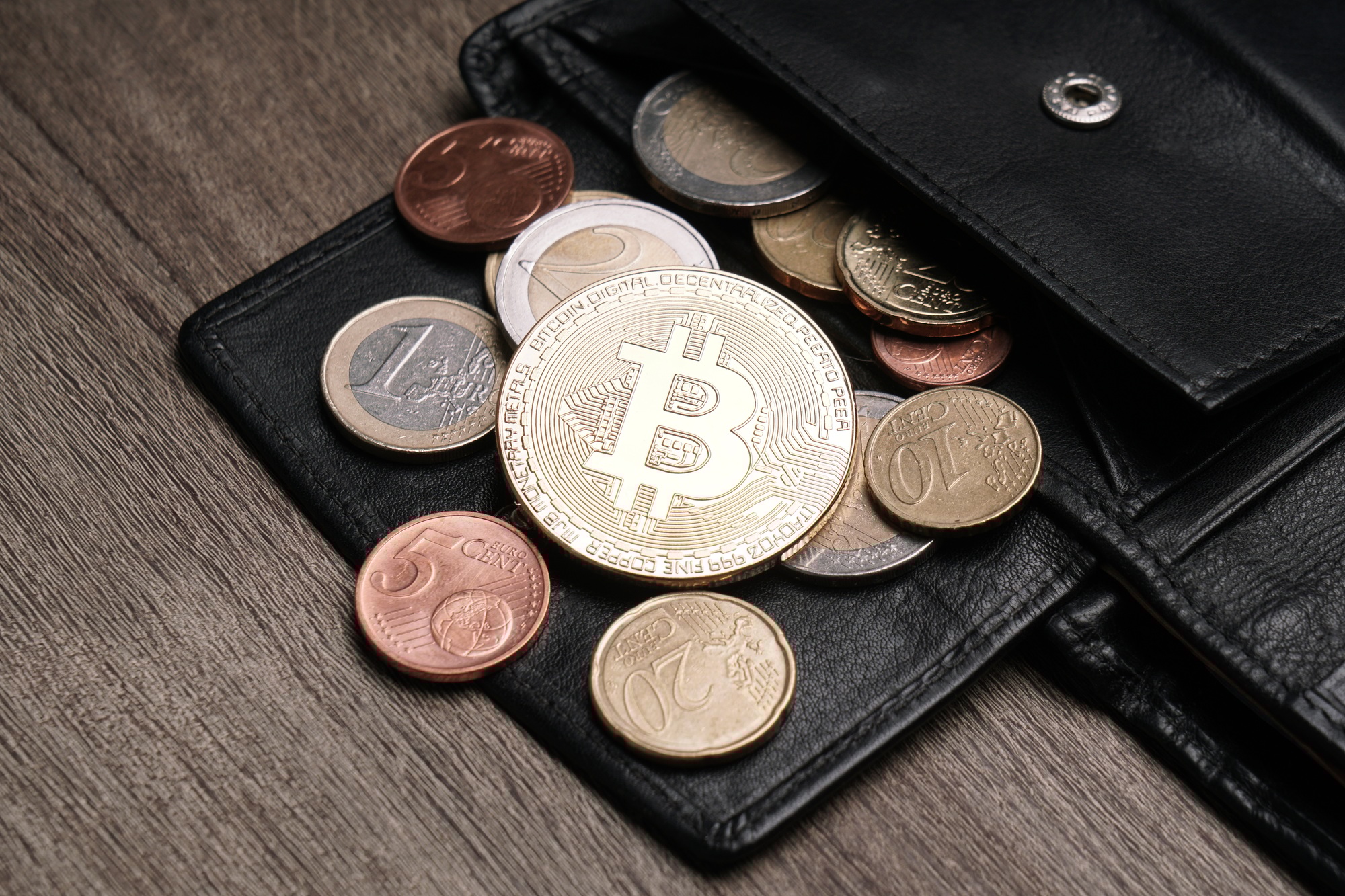









South African Court Says Bitcoin Can Count as Money


A South African court has made one of the country’s most important Bitcoin rulings yet.
The Gauteng High Court in Johannesburg ruled that Bitcoin can be treated as both “money” and “capital” under South Africa’s exchange control rules. The ruling came in the case of Mangundhla and Another v South African Reserve Bank and Others, handed down on 1 June 2026.
At first glance, that sounds like South Africa has officially made Bitcoin money.
But the real meaning is more specific.
The court did not say Bitcoin is legal tender like the South African rand. It did not say shops must accept Bitcoin. It did not say BTC has the same status as cash in the national payment system.
Instead, the court said Bitcoin can fall under exchange control rules when it is used to move value out of South Africa.
That distinction matters. This ruling is less about Bitcoin becoming everyday money and more about whether people can move BTC offshore without regulatory approval.
What Happened in the Case?
The case involved crypto trader Square Mangundhla and another applicant who challenged decisions by the South African Reserve Bank, known as SARB.
The dispute centered on the movement of Bitcoin to foreign crypto platforms. According to reporting on the case, the matter involved nearly 1,680 BTC and a forfeiture dispute linked to alleged exchange control violations.
SARB argued that the movement of Bitcoin offshore amounted to the export of capital from South Africa. The applicants argued that Bitcoin was not “money” or “capital” under the existing exchange control framework.
The court sided with SARB.
Judge Stuart Wilson held that Bitcoin could be considered both money and capital for purposes of South Africa’s exchange control regulations.
In simple terms, the court said that even though Bitcoin is not issued by the state, it can still act as something valuable that moves wealth across borders.
What Are Exchange Controls?
Exchange controls are rules that limit or regulate how money and capital move out of a country.
South Africa has had exchange control laws for decades. They are designed to control capital flows, protect the financial system, and monitor offshore transfers.
These rules were written long before Bitcoin existed. That is why the legal question is difficult.
The court had to decide whether an old legal framework could apply to a new type of digital asset.
If Bitcoin is outside exchange control rules, people may be able to move large amounts of value offshore through crypto without SARB approval. If Bitcoin is inside the rules, then moving BTC offshore can be treated like exporting capital.
The Mangundhla ruling supports the second view.
Why the Court Treated Bitcoin as Money and Capital
The court looked at what Bitcoin does, not only what Bitcoin is called.
Bitcoin can store value. It can be transferred from one person to another. It can be exchanged for other assets. It can be moved across borders. It can also be sold for fiat currency.
Because of those features, the court found that Bitcoin could fall within the meaning of money and capital under South Africa’s exchange control framework.
This is important because the court focused on function.
Bitcoin may not be printed by a central bank. It may not be legal tender. It may not be a normal bank deposit. But if it carries economic value across borders, the court found that exchange control rules can still apply.
That is the heart of the ruling.
Bitcoin Is Still Not Legal Tender in South Africa
This is the most important clarification.
The ruling does not make Bitcoin legal tender in South Africa.
Legal tender means official money that must generally be accepted for payment of debts in a country. In South Africa, that role belongs to the rand.
South African regulators have recently clarified that crypto assets, including Bitcoin and stablecoins, are not money under the National Payment System Act and are not treated as legal tender.
So the court ruling gives Bitcoin a kind of “money” status only for a specific legal purpose: exchange control.
That is why headlines saying “Bitcoin is now official money in South Africa” can be misleading.
A better way to put it is this:
Bitcoin can now be treated as money or capital when regulators are deciding whether someone moved value out of South Africa without approval.
Why This Ruling Is Controversial
The ruling is controversial because it conflicts with an earlier South African High Court judgment.
In Standard Bank of South Africa v South African Reserve Bank, handed down in 2025, the Pretoria High Court found that cryptocurrency was not money or capital under South Africa’s Exchange Control Regulations.
That earlier case involved Bitcoin transfers linked to a Seychelles-based crypto exchange. The court found that the existing exchange control rules did not clearly cover cryptocurrency.
The Mangundhla court took the opposite view.
Judge Wilson expressly declined to follow the earlier Standard Bank decision and treated it as wrong.
This creates legal tension. Two High Court decisions have now taken different approaches to crypto and exchange control.
That means the final position may still need to be settled by a higher court, such as the Supreme Court of Appeal.
Why SARB Will Welcome the Decision
The ruling strengthens SARB’s hand.
If Bitcoin can be treated as capital, then SARB can argue that moving Bitcoin offshore without approval may breach exchange control rules.
This matters because crypto allows people to move value internationally without using banks. A person can buy Bitcoin locally, transfer it to a foreign exchange, sell it offshore, and potentially bypass normal capital controls.
SARB has long been concerned about this kind of regulatory gap.
The Mangundhla ruling gives the Reserve Bank a stronger legal basis to treat offshore crypto transfers as capital movements.
For regulators, this is about closing a loophole. For crypto users, it means offshore BTC transfers could now face much closer scrutiny.
South Africa Is Already Moving Toward New Crypto Rules
The court ruling comes at a time when South Africa is already preparing broader exchange control reforms.
Reuters reported in April 2026 that South Africa was planning a major overhaul of its long-standing exchange control system, including bringing crypto assets into the framework as a regulated capital category.
The proposals reportedly include requiring declarations of crypto holdings and large trades, and requiring certain transactions to go through regulated intermediaries.
That matters because the court ruling may be only one part of a bigger policy shift.
South Africa appears to be moving toward a system where crypto is recognized as a serious financial asset, but also more tightly supervised when used for cross-border value movement.
Is This Good or Bad for Bitcoin?
The answer depends on how you look at it.
For Bitcoin supporters, the ruling can be seen as recognition that BTC has real economic value. A court has effectively acknowledged that Bitcoin can act like money and capital.
That is a major statement.
But for users who value Bitcoin because it can move outside traditional controls, the ruling may feel like a setback. It means South African authorities can use exchange control laws to police certain Bitcoin transfers.
For the crypto industry, the ruling is mixed.
It brings Bitcoin further into the legal system, but it also increases compliance pressure.
In the long run, clear rules may help serious crypto businesses operate with more confidence. But unclear or heavy-handed enforcement could discourage innovation or push activity offshore.
The Risk of Confusing “Money” With “Legal Tender”
One of the biggest risks after this ruling is public confusion.
Bitcoin can be called “money” in one legal context and still not be legal tender.
This happens because legal words can have different meanings depending on the statute being interpreted.
For example, Bitcoin may be treated as property for tax purposes, a financial product for licensing purposes, and capital for exchange control purposes. But none of that automatically makes it official national currency.
So readers should be careful with headlines.
The court did not say Bitcoin replaces the rand. It did not force merchants to accept BTC. It did not turn South Africa into a Bitcoin legal tender country like El Salvador.
It simply held that Bitcoin can count as money and capital for exchange control purposes.
What Happens Next?
Several things could happen next.
First, the applicants may appeal the decision.
Second, the Standard Bank case may continue through the appeal process, which could give a higher court the chance to settle the conflict between the two High Court rulings.
Third, South Africa may finalize new exchange control rules that directly include crypto assets.
Fourth, SARB may become more active in investigating offshore crypto transfers.
Fifth, crypto exchanges may update their compliance policies to manage cross-border risk.
Until the law is fully settled, crypto users should treat offshore Bitcoin movement as an area of serious legal risk.
FAQ
Did South Africa make Bitcoin legal tender?
No. Bitcoin is still not legal tender in South Africa. The rand remains the country’s official currency.
What did the court actually say?
The court said Bitcoin can be treated as money and capital under South Africa’s exchange control rules.
Why does this matter?
It means moving Bitcoin offshore may be treated as exporting capital and could require regulatory approval.
What case caused this ruling?
The case was Mangundhla and Another v South African Reserve Bank and Others, decided by the Gauteng High Court in Johannesburg on 1 June 2026.
Does this affect ordinary Bitcoin holders?
Holding Bitcoin is not the main issue. The ruling mainly matters for cross-border transfers and offshore movement of crypto value.
Why is the ruling controversial?
It conflicts with a 2025 High Court decision in Standard Bank v SARB, which found that cryptocurrency was not money or capital under the exchange control rules.
Can this ruling be appealed?
Yes. The legal position may still be tested in a higher court or clarified through new regulations.
What should South African crypto users do?
Users should be cautious with offshore crypto transfers and seek professional advice for large transactions, business payments, or cross-border crypto movements.