









🇳🇬 Nigeria Crypto Regulation Bill 2026: Senate Moves to Formalize Digital Assets

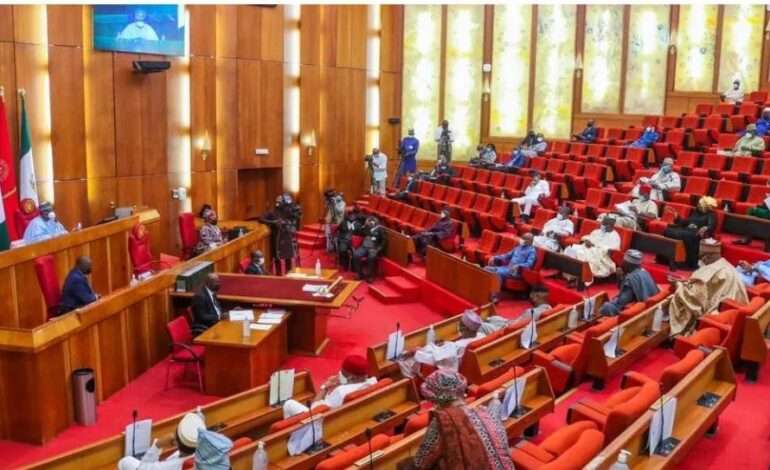
The Nigeria crypto regulation bill 2026 marks a major shift in how Africa’s largest crypto market plans to regulate digital assets. The Nigerian Senate has moved the Virtual Asset Service Providers (VASP) Bill forward, signaling a structured approach to cryptocurrency oversight, investor protection, and financial compliance.

The Nigeria crypto regulation bill 2026 was advanced by the Senate on June 9, 2026, as lawmakers moved the Virtual Asset Service Providers Regulation Bill (SB 956) to its second reading.
The bill aims to introduce clear legal frameworks for:
- Cryptocurrency exchanges
- Digital asset custodians
- Blockchain service providers
- Other virtual asset platforms
This represents one of the most significant steps yet toward formal crypto regulation in Nigeria.
⚖️ Background: Why the Bill Matters
Nigeria remains one of the world’s largest adopters of cryptocurrency, driven by:
- Youth-driven digital adoption
- Fintech expansion
- Inflation and currency volatility
- Cross-border payment needs
However, the absence of clear regulation has created challenges such as:
- Fraud and scams
- Money laundering risks
- Unregulated exchanges
- Revenue loss for government
The Nigeria crypto regulation bill 2026 seeks to close these gaps.
🏛️ Key Objectives of the Nigeria Crypto Regulation Bill 2026
1. Licensing and Compliance
Virtual Asset Service Providers (VASPs) must:
- Register with regulators
- Meet operational standards
- Follow transparency requirements
2. Investor Protection
The bill aims to:
- Safeguard retail investors
- Reduce exposure to fraud
- Improve dispute resolution systems
3. AML and Financial Stability
- Align with global AML/CFT standards
- Prevent illicit financial flows
- Improve monitoring of digital transactions
4. Innovation-Friendly Regulation
Lawmakers emphasize:
Regulation should not stifle fintech innovation
The goal is to balance control with growth of Nigeria’s blockchain ecosystem.
🧾 Legislative Progress and Next Steps
The Senate:
- Passed the bill through second reading
- Sent it to the Committee on Capital Market
- Set a four-week review period
During this stage:
- Public hearings will be conducted
- Stakeholders will give input
- Exchanges and fintech companies may influence final structure
The full bill text has not yet been widely published, raising calls for transparency.
🌍 Nigeria in the Global Crypto Regulation Race


Globally, countries are moving toward clearer frameworks:
- United States: regulatory separation between securities and commodities
- UAE (Dubai VARA): proactive crypto licensing system
- South Africa & Kenya: structured fintech oversight
Nigeria’s crypto regulation bill 2026 positions it closer to these jurisdictions.
📊 Potential Impact on Nigeria
✅ Positive Outcomes
- Increased investor confidence
- Growth of regulated crypto exchanges
- Job creation in fintech and blockchain
- Improved tax revenue collection
- Stronger global financial integration
⚠️ Risks and Concerns
- Overregulation may push startups offshore
- Compliance costs for small exchanges
- Possible slowdown in innovation if poorly designed
💬 Industry Reactions
Lawmakers and stakeholders emphasize balance:
- Regulation should support innovation, not suppress it
- Nigeria risks losing talent to countries with clearer frameworks
- Early-stage consultation is critical for success
The bill is widely seen as a “make or break” moment for Nigeria’s digital asset future.
🧾 CONCLUSION
The Nigeria crypto regulation bill 2026 represents a turning point for the country’s digital economy. If implemented effectively, it could bring long-awaited clarity, attract global investment, and strengthen Nigeria’s position as a leading crypto hub in Africa.
However, the outcome will depend heavily on how lawmakers balance regulation with innovation during the next phase of review.
The coming weeks will be critical.
Official references: