








Celo Launches cNGN-USDT Liquidity Pool on Uniswap, Expanding On-Chain Naira Trading

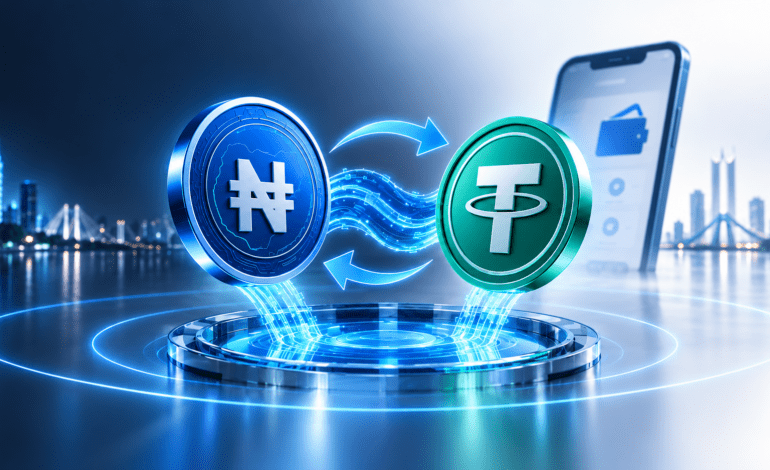
Celo has expanded access to Nigeria’s naira-backed cNGN stablecoin by introducing deeper cNGN-USDT liquidity on Uniswap, giving users another way to trade between the Nigerian naira and dollar-backed stablecoins directly on-chain.
The development was announced by Celo on September 2, 2026, with the blockchain saying cNGN’s deepest liquidity across supported networks was now available on Celo and that users could access fast foreign exchange swaps through Uniswap v3, according to an announcement reported by Blockchain.News.
The move strengthens an emerging market for on-chain foreign exchange in Africa, where local-currency stablecoins are increasingly being connected to dollar stablecoins such as USDT.
cNGN and USDT Can Now Be Traded on Uniswap
The new liquidity pool pairs cNGN with Tether’s USDT, allowing users to swap between the two assets through Uniswap without relying on a traditional centralised exchange.
According to Mariblock, the pool had approximately 126.2 million cNGN and 89,000 USDT in liquidity when it reported on the development. Celo described the pool as cNGN’s largest liquidity venue across the networks on which the stablecoin operates.
Liquidity is important for a market like cNGN-USDT because it determines how easily users can move between the two currencies without significantly affecting the exchange rate.
A deeper pool could therefore make larger naira-to-dollar stablecoin transactions more practical while reducing the price slippage users experience when trading.
The Uniswap integration also means users can trade directly from compatible crypto wallets through smart contracts rather than first depositing funds with a centralised exchange.
cNGN Had Already Expanded to Celo
The Uniswap pool is not cNGN’s first appearance on the Celo network.
The naira-backed stablecoin expanded to Celo in August 2026, initially giving users access to a cNGN-USDT foreign exchange corridor through Textile FX.
Business Tech Africa reported on August 10 that the integration was designed to provide Nigerian fintech companies and payment providers with another route for cross-border settlement. Textile FX had already onboarded dozens of over-the-counter traders and cross-border payment companies before the Celo launch.
Textile FX’s documentation also lists a live cNGN ↔ USDT corridor on Celo, alongside other stablecoin foreign exchange markets.
Adding Uniswap gives cNGN another source of liquidity and makes the asset accessible through one of the largest decentralised exchange protocols in crypto.
What Is cNGN?
cNGN, or Compliant Naira, is a privately issued stablecoin designed to maintain a one-to-one value with the Nigerian naira.
It is issued by WrappedCBDC Limited and should not be confused with the eNaira, Nigeria’s central bank digital currency.
According to cNGN’s transparency information, the tokens are backed 1:1 by naira-denominated reserves held with licensed custodian banks. The issuer says it conducts monthly audits of the reserves backing tokens in circulation.
As of early September 2026, cNGN’s website reported approximately ₦3.3 billion in circulation, around ₦236 billion in cumulative trading volume and 10,972 holders.
WrappedCBDC has also participated in Nigeria’s regulatory sandbox system. The Securities and Exchange Commission of Nigeria lists Wrapped CBDC Ltd, trading as cNGN, among firms that participated in its Regulatory Incubation programme, where its product was classified as a digital-asset stablecoin offering.
This distinction is important because cNGN is a private stablecoin product rather than digital currency issued by the Nigerian government.
Why the Uniswap Integration Matters
The significance of the new pool goes beyond making another token available on a decentralised exchange.
Much of Africa’s stablecoin activity has historically revolved around dollar-denominated assets such as USDT and USDC. Local-currency stablecoins such as cNGN could introduce a different model where domestic currencies themselves become accessible through blockchain-based markets.
For example, a Nigerian business holding cNGN could potentially swap the token for USDT on-chain before using the dollar stablecoin for an international transaction.
Someone receiving USDT could also move in the opposite direction, exchanging the dollar stablecoin for a token representing the naira.
This creates an on-chain NGN-USDT foreign exchange market that can operate continuously rather than being limited to traditional banking hours.
There are still challenges. Liquidity needs to grow significantly for the market to handle large transactions efficiently, while access, redemption, compliance and regulation remain important questions as local stablecoins become available through decentralised protocols.
According to cNGN’s terms and conditions, direct minting and redemption require eligible users to complete identity verification. cNGN is minted against naira deposits and can be redeemed for naira through the issuer.
Decentralised trading introduces another layer because tokens can subsequently move between blockchain wallets.
Local Currency Stablecoins Are Moving On-Chain
The cNGN-Uniswap pool also fits into Celo’s broader strategy of developing infrastructure for on-chain foreign exchange and local-currency stablecoins.
Previous Uniswap ecosystem liquidity initiatives on Celo have supported pairs involving regional currencies including the Kenyan shilling and Ghanaian cedi, alongside other local currencies and dollar stablecoins.
For cNGN, the immediate test will be whether deeper liquidity translates into meaningful trading and payment activity.
The stablecoin already has billions of naira in circulation. Connecting that liquidity to USDT through Uniswap could make cNGN more useful for traders, payment companies and businesses that need to move between naira and digital dollars.
More importantly, it represents another step toward putting African foreign exchange markets directly on public blockchain infrastructure.