









CBDCs – From Cash to Digital


Money is changing. Cash is used less every year, while digital payments keep growing. Because of this shift, many governments and central banks are exploring a new form of money called Central Bank Digital Currency, commonly known as CBDC.
As of 2024, the Bahamas, Jamaica, and Nigeria have already launched CBDCs, while 134 countries are researching their own versions. At the same time, some jurisdictions, such as Florida in the United States, have moved to ban CBDCs, citing concerns around privacy and government control.
This shows that CBDCs are no longer a theory. They are already being used in some countries and debated strongly in others.
In this article I will try to answer the following questions:
- What is a central Bank?
- What is CDBC?
- How Would a CBDC Work in Daily Life?
- Why Are Central Banks Introducing CBDCs?
- What are the types of CBDCs?
- What is the difference between CBDC and Cryptocurrency?
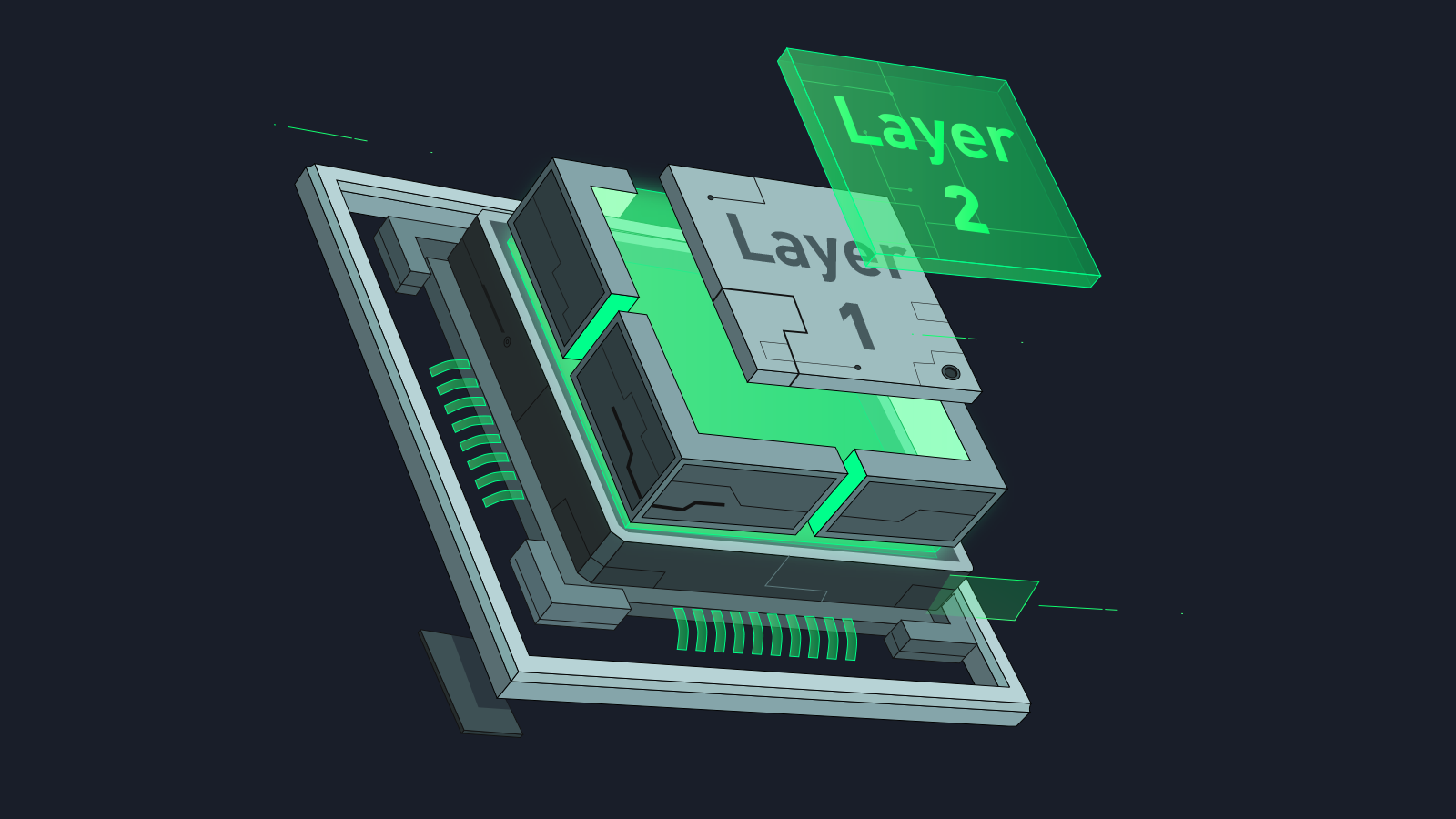
- Does a CBDC Use Blockchain?
- What are the concerns and risks?
What is a central Bank?
A central bank is the main financial institution of a country. It is not a normal bank where people open accounts or take loans. Instead, it works in the background to manage the country’s money and keep the economy stable.
In Kenya, this role is played by the Central Bank of Kenya (CBK).
The central bank is the only institution allowed to issue the country’s official money. In Kenya, this means the Kenyan shilling. It decides how much money should be in circulation so that prices do not rise too fast and the value of money does not fall.
Another important role of a central bank is controlling inflation. Inflation is when prices of goods and services keep increasing and money buys less. The central bank manages inflation mainly by setting interest rates. When interest rates are high, borrowing becomes expensive and spending reduces. When interest rates are low, borrowing becomes cheaper and people spend more. This helps balance the economy.
The central bank also supervises commercial banks. It makes sure banks follow the rules, have enough money to operate safely, and do not take excessive risks with customers’ deposits. This helps protect ordinary people and businesses.
During financial problems or crises, the central bank acts as a support system. If banks face serious shortages of money, the central bank can step in to help prevent the entire system from collapsing.
As payments move from cash to digital methods such as cards and mobile phones, the role of the central bank is also changing. To continue managing money effectively in a digital world, central banks are now exploring digital forms of national currency, which leads to the idea of Central Bank Digital Currency.
What is CBDC?
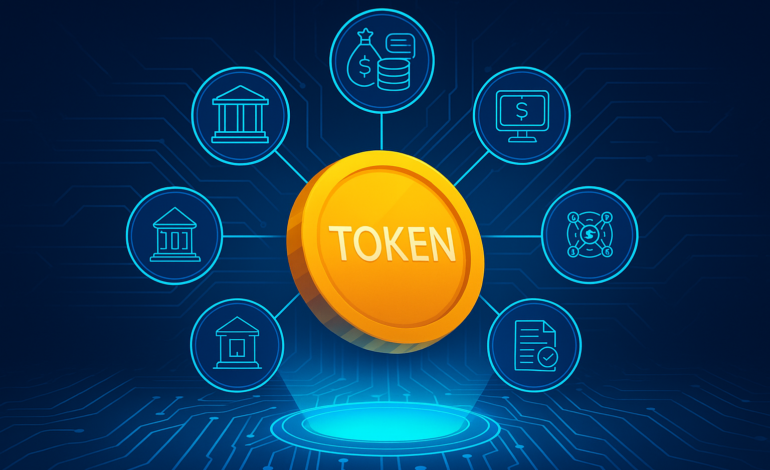
A CBDC, which stands for Central Bank Digital Currency, is simply digital money issued by a country’s central bank.
Think of it this way. Today, you have cash in your pocket and digital money in your bank or mobile phone. A CBDC is similar to digital money, but instead of being issued by a commercial bank or a mobile money company, it is issued directly by the central bank.
In Kenya, a CBDC would be a digital Kenyan shilling created by the Central Bank of Kenya. It would have the same value as the cash shilling. One digital shilling would equal one paper shilling. Nothing changes in value. Only the form changes.
A CBDC is not a new currency. It is the same national money, just in digital form. Just as paper money replaced coins in many cases, digital money is now becoming another form of the same money.
You would store a CBDC in a digital wallet, likely on a mobile phone or a simple card. You could use it to pay for goods, send money to someone, or receive payments, just like you do today with mobile money.
One important thing to understand is that a CBDC is official government money. It is backed by the central bank and recognized by law. This makes it different from cryptocurrencies, which are not issued by governments.
Simply, a CBDC is:
- Digital
- Official
- Stable in value
- Issued by the central bank
It is money designed for a digital world but still trusted like cash.
How Would a CBDC Work in Daily Life?
In daily life, a CBDC would feel very familiar. It would not feel complicated or technical. For most people, it would work in a way that is close to how digital payments already work today.
A person would first need a CBDC wallet. This wallet could be an app on a mobile phone or a simple digital card. The wallet would be approved or provided through systems overseen by the central bank. Once the wallet is set up, it would hold digital money issued by the central bank.
To get CBDC, a person could convert cash, bank money, or other digital money into CBDC. For example, someone could move money from a bank account or exchange cash at an agent and receive the same amount in digital form. The value would not change.
When making payments, the process would be simple. To buy goods at a shop, a person would scan a code or tap their phone and the CBDC would move instantly from their wallet to the seller’s wallet. There would be no waiting time, and the payment would be confirmed immediately.
Sending money to family or friends would also be easy. A person could send CBDC directly to another person’s wallet using a phone number or simple identifier. This could work at any time, including nights and weekends.
CBDCs could also be used for everyday payments such as:
- Buying food and household items
- Paying transport fares
- Paying school fees
- Receiving salaries or government support payments
For people without smartphones, CBDCs could still work through simple phones or cards, making them accessible to more people.
From the user’s side, the experience would be smooth and straightforward. Most of the complex technology would remain hidden in the background. People would simply see fast, reliable digital money that works everywhere.
In daily life, a CBDC would aim to be as easy to use as cash, but as fast as digital payments.
Why Are Central Banks Introducing CBDCs?
Central banks are introducing CBDCs because the way people use money is changing. Cash is still important, but many payments today are digital. To continue managing money well in this new environment, central banks are adapting.
One major reason is the decline in cash usage. Fewer people carry cash, especially in cities. Payments are increasingly made using phones, cards, and online platforms. A CBDC allows central banks to offer a digital form of cash that works in a modern economy.
Another reason is faster and cheaper payments. Some digital payments today rely on many intermediaries, which can slow things down and increase costs. A CBDC can allow money to move directly from one person to another, making payments quicker and more efficient.
Central banks are also focused on financial inclusion. Many people do not have bank accounts, but they may have access to a mobile phone. A CBDC can give these people access to safe digital money without needing a traditional bank account.
CBDCs also help central banks protect the national currency. As cryptocurrencies and private digital money grow, central banks want to ensure that official national money remains widely used and trusted.

Another important reason is better control of the financial system. With a CBDC, central banks can improve how they distribute money, collect taxes, and deliver government support such as relief funds. This can reduce delays and reduce misuse.
Finally, CBDCs help central banks prepare for the future. Technology is moving fast, and money systems must keep up. By exploring CBDCs now, central banks can shape how digital money works instead of reacting later.
Central banks are introducing CBDCs to make money safer, faster, more inclusive, and ready for a digital world.
What are the types of CBDCs?
There are two main types of CBDCs. The difference is based on who uses them and how they are applied.
The first type is called a retail CBDC. This type is designed for ordinary people and businesses. It is the kind of CBDC that would be used in daily life. A retail CBDC would allow people to pay for goods, send money to family, receive salaries, or get government support payments. A retail CBDC is like digital cash that everyone can use.
The second type is called a wholesale CBDC. This type is not meant for the public. It is used only by banks and large financial institutions. Wholesale CBDCs help banks move large amounts of money between themselves more quickly and safely. They are mainly used behind the scenes and most people would never interact with them directly.
For most people, when they hear about CBDCs, they are usually hearing about retail CBDCs. These are the ones that affect daily life and everyday payments.
- Retail CBDCs are for people and businesses
- Wholesale CBDCs are for banks and financial institutions
Both types help improve how money moves in the economy, but only one is meant for public use.
What is the difference between CBDC and Cryptocurrency?
CBDCs and cryptocurrencies are often confused because both are digital. However, they are very different in purpose, control, and how they work.
A CBDC is digital money issued by a country’s central bank. It is official government money. It has the same value as cash and is accepted by law. In Kenya, a CBDC would be a digital form of the Kenyan shilling issued by the Central Bank of Kenya.
A cryptocurrency, such as Bitcoin, is not issued by any government or central bank. It is created and managed by computer networks spread across the world. No single authority controls it.
One key difference is control. CBDCs are fully controlled by the central bank. The central bank decides how they are issued and how the system works. Cryptocurrencies are decentralized. No one person or institution controls them.
Another difference is value stability. A CBDC is stable because it is tied to the national currency. Its value does not change suddenly. Cryptocurrencies can rise or fall sharply in value within a short time.
There is also a difference in purpose. CBDCs are mainly designed for everyday payments, government transactions, and financial stability. Cryptocurrencies are often used for investment, speculation, or specific technology uses.
Privacy is another area where they differ. CBDC transactions can be monitored by authorities to prevent crime and fraud. Cryptocurrency privacy depends on the specific coin and how it is used.
- CBDCs are government digital money
- Cryptocurrencies are independent digital assets
- CBDCs are stable and regulated
- Cryptocurrencies are open and price changes are common
Both can exist at the same time, but they serve very different roles in the financial world.
Does a CBDC Use Blockchain?
A simple and clear answer is not always.
A CBDC does not have to use blockchain technology. Some central banks may choose to use blockchain, while others may use more traditional digital systems.
Blockchain is a technology that records transactions across many computers. It is commonly used in cryptocurrencies like Bitcoin. It is secure and transparent, but it can also be slower and more complex.
For a CBDC, the main goals are safety, speed, reliability, and ease of use. Because of this, some central banks prefer centralized systems that they already understand and control well. These systems can process transactions very quickly and are easier to manage.
Other central banks are testing blockchain or distributed ledger technology because it can improve transparency and resilience. In these cases, the blockchain is usually private and controlled, not open like public crypto blockchains.
The important thing to understand is that CBDC is about digital money, not about blockchain. Blockchain is just one possible tool that can be used, but it is not required.
- Some CBDCs use blockchain
- Some do not
- The central bank chooses what works best
For ordinary users, the technology behind the system would not matter much. What matters is that the money works smoothly, safely, and reliably in daily life.
What are the concerns and risks?
While CBDCs offer many benefits, they also raise important concerns. These concerns are mainly about privacy, control, and safety. It is important to understand them.
One major concern is privacy. Because CBDCs are digital and issued by the central bank, transactions could be tracked. Many people worry that governments might see how money is spent. Even if the goal is to prevent crime, people fear losing the privacy they currently have when using cash.
Another concern is government control. Since CBDCs are controlled by central banks, there is worry that rules could be placed on how money is used. For example, money could be limited to certain uses or expire after a period of time. This level of control does not exist with physical cash.
Cybersecurity is also a risk. Any digital system can be targeted by hackers or face technical failures. If a CBDC system goes down, people may not be able to access their money temporarily. Strong security systems would be critical.
There is also concern about the impact on banks. If people choose to hold their money directly in CBDC wallets instead of bank accounts, banks could lose deposits. This could reduce their ability to give loans to businesses and individuals.
Another risk is digital exclusion. While CBDCs aim to improve inclusion, people without phones, internet access, or digital skills could be left behind if cash is reduced too quickly.
Finally, there is the issue of trust. For a CBDC to work, people must trust the central bank and the system behind it. Without strong laws, clear rules, and public education, adoption may be slow.
The main concerns are:
- Loss of privacy
- Too much control over money
- Cybersecurity threats
- Impact on banks
- Exclusion of vulnerable groups
These risks are why many countries are moving slowly and carefully when testing CBDCs.
TL;DR
- A central bank manages a country’s money and works to keep the economy stable.
- As cash use declines and digital payments increase, central banks are adapting.
- A CBDC is digital money issued by a central bank.
- A CBDC has the same value as cash and is backed by the government.
- It is not a new currency and it is not a cryptocurrency.
- CBDCs aim to make payments faster, cheaper, and more efficient.
- They can improve financial inclusion, especially for people without bank accounts.
- In Kenya, a CBDC could work alongside existing digital payment systems.
- CBDCs raise concerns around privacy, control, cybersecurity, and bank impact.
- Because of these risks, countries are moving slowly and testing carefully.
- The future of CBDCs depends on public trust, clear laws, and strong safeguards.
- Understanding CBDCs helps people prepare for the future of money.