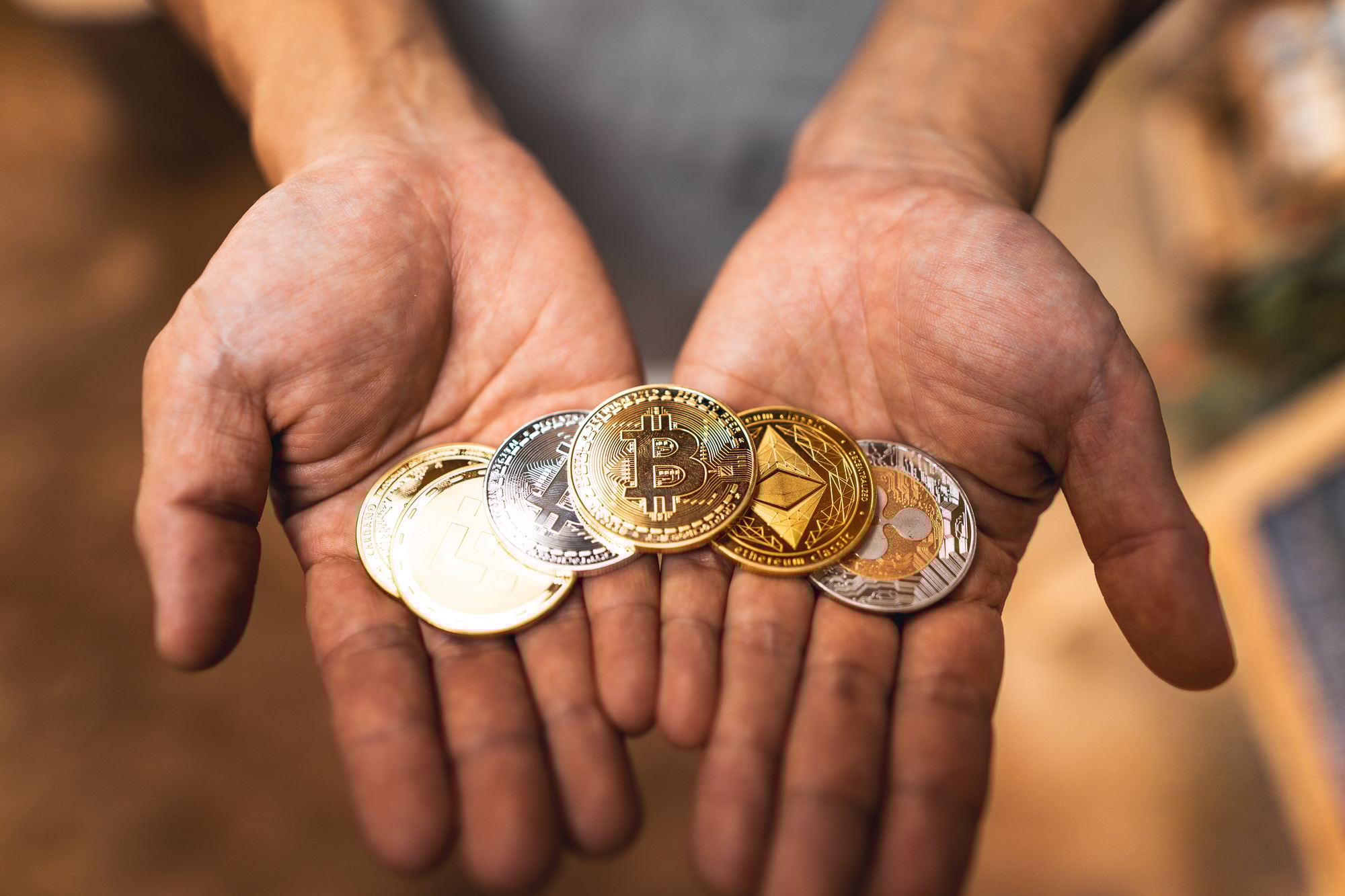









Coinbase Outage Exposes Gaps in Africa’s Crypto Infrastructure


A temporary Coinbase outage prevented some customers from buying, selling and transferring crypto on February 12, 2026.
The disruption affected parts of Coinbase’s retail and Prime platforms. However, derivatives and equities trading continued operating.
Coinbase later restored the affected services. The company said the incident resulted from a technical issue that was not connected to high trading volume. It also assured customers that their funds remained safe.
Although Coinbase is not the main exchange for every African crypto user, the outage raises an important question.
What happens when users, businesses and developers depend on global platforms that can suddenly become unavailable?
What Happened During the Coinbase Outage?
Coinbase first informed customers that some users could not buy, sell or transfer crypto through Coinbase.com.
The company said it was investigating the problem and would provide updates. It later confirmed that the issue had been fixed.
According to Coinbase, the disruption briefly affected its retail and Prime interfaces.
Coinbase Prime is a platform designed mainly for institutional investors and large organisations. It offers services such as trading, custody and asset management.
The outage did not affect the company’s derivatives or equities products. Coinbase also said the problem was technical and unrelated to the number of people trading at the time.
Therefore, users should not assume that a sudden increase in crypto activity caused the disruption.
Was the Coinbase Outage a Security Breach?
Coinbase did not report that the incident was caused by a hack or theft.
The company said customer funds remained safe while its teams worked to restore the affected services.
However, an exchange does not need to lose customer funds for an outage to cause problems.
During a service disruption, users may be unable to:
- Buy crypto
- Sell an existing position
- Transfer assets to another wallet
- Respond quickly to market movements
- Access funds needed for a payment
- Complete a business settlement
These restrictions may be especially serious during periods of high price volatility.
A trader may want to sell an asset as its price falls. Meanwhile, a business may need to transfer stablecoins to complete a payment.
Even a brief outage can delay those actions.
Why the Coinbase Outage Matters for Africa
There is no public evidence showing that the February outage caused widespread disruption across Africa.
Coinbase has not published a breakdown showing how many affected users were located in Kenya or other African countries.
Therefore, the incident should not be presented as a measured continent-wide crisis.
Instead, it offers a wider lesson about infrastructure.
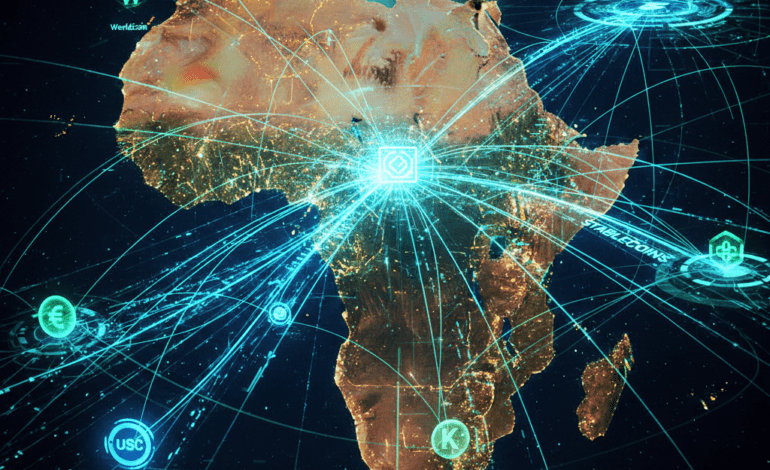
African users increasingly depend on digital assets for trading, international payments, savings and business settlements. Much of this activity connects to platforms and infrastructure developed outside the continent.
These services may include:
- Centralised exchanges
- Stablecoin issuers
- Blockchain networks
- Cloud-computing companies
- Global liquidity providers
- International payment gateways
When one major service experiences an outage, users who depend on it may temporarily lose access to part of the crypto market.
Africa’s Crypto Market Is Growing
Sub-Saharan Africa received more than $205 billion in on-chain crypto value between July 2024 and June 2025.
This was an increase of about 52% from the previous 12-month period. It made Sub-Saharan Africa the third-fastest-growing crypto region covered by Chainalysis.
Retail activity also plays a major role in the region.
More than 8% of the crypto value transferred in Sub-Saharan Africa during that period involved transactions worth less than $10,000. The equivalent figure for the rest of the world was about 6%.
This suggests that crypto use in Africa is not limited to large institutions or wealthy investors.
Individuals and small businesses also use digital assets for practical financial activities.
Chainalysis identified Nigeria, South Africa, Ethiopia, Kenya and Ghana as the region’s five largest crypto markets by value received.
However, that growth also increases the need for dependable infrastructure.
Coinbase Has a Limited but Relevant Kenyan Presence
Coinbase services are available in Kenya, although product access can vary.
Coinbase lists Kenya as an eligible country for supported USDC services. These include certain fiat-to-crypto, crypto-to-fiat and crypto-to-crypto exchanges involving USDC.
USDC is a stablecoin designed to maintain a value close to one US dollar.
Coinbase has also served Kenyan users through its international entities since at least 2019, according to Business Daily. The company previously maintained a limited local presence through contractors before reducing that presence in 2022 and 2023.
In addition, Coinbase has supported developers building applications on Base, its Ethereum-based blockchain network.
However, there is no reliable public data showing how many active Coinbase users are based in Kenya.
It would also be misleading to describe Coinbase as the dominant retail exchange across Africa without supporting market-share data.
Many African users choose platforms that offer local currency deposits, mobile-money integration and peer-to-peer trading.
What Is a Centralised Crypto Exchange?
A centralised exchange is a company that helps customers buy, sell, store and transfer crypto.
Examples include Coinbase, Binance, VALR and Yellow Card.
These companies usually provide simple interfaces and customer support. They may also offer access to different crypto assets, payment methods and trading markets.
However, customers depend on the exchange’s systems.
When the platform is unavailable, users may lose temporary access to:
- Account balances
- Trading tools
- Deposits
- Withdrawals
- Customer support
- Conversion services
This does not necessarily mean the crypto network itself has stopped working.
For example, Bitcoin or Ethereum may continue processing transactions normally while a particular exchange is offline.
The problem is access through the exchange.
Why Global Liquidity Still Matters
Liquidity refers to how easily an asset can be bought or sold without causing a major change in its price.
Large international exchanges often provide deep liquidity because they connect millions of buyers and sellers.
African exchanges and fintech companies may rely on global liquidity providers to:
- Fill customer orders
- Convert between crypto assets
- Support stablecoin settlements
- Price digital assets
- Complete international payments
Therefore, local platforms may still have indirect exposure to global infrastructure, even when their customers do not use Coinbase directly.
For example, a Kenyan fintech may operate its own customer application but rely on an international partner for stablecoin conversion or settlement.
An outage affecting that partner could delay the local service.
However, the exact effect depends on how the company’s infrastructure is designed.
Stablecoins Increase the Need for Reliable Infrastructure
Stablecoins are becoming an important part of Africa’s crypto market.
Businesses use them for cross-border payments, international trade and access to dollar-linked value.
Chainalysis found frequent high-value stablecoin transfers connected to trade between Africa, the Middle East and Asia. It also identified their use in areas such as energy and merchant payments.
Stablecoins can reduce some of the delays associated with traditional international payments.
However, they still depend on several layers of infrastructure.
A stablecoin payment may involve:
- A customer’s wallet
- A blockchain network
- A stablecoin issuer
- A crypto exchange
- A liquidity provider
- A local bank or mobile-money service
A failure at any one of these points may delay the complete transaction.
Therefore, stablecoin adoption must be matched by reliable exchanges, wallets, payment providers and cash-out services.
Does Self-Custody Solve the Problem?
Self-custody means holding crypto in a wallet where the user controls the private keys.
A private key is the secret information that gives someone control over crypto stored in a wallet.
Self-custody can reduce dependence on a centralised exchange for storing and transferring assets.
For example, a user holding USDC in a personal wallet may still send it while Coinbase is offline, provided the blockchain network and wallet remain operational.
However, self-custody creates different risks.
Users must protect their:
- Wallet passwords
- Private keys
- Recovery phrases
- Mobile devices
- Transaction details
Losing a recovery phrase may result in permanent loss of access to the funds.
Users may also send money to the wrong address or interact with fraudulent applications.
Therefore, self-custody is not a complete solution for every user.
A resilient crypto market needs both reliable service providers and better education about personal wallets.
What Africa Needs From Local Crypto Infrastructure
The Coinbase outage shows why African crypto markets need more than access to international platforms.
They also need strong local infrastructure.
This may include:
- Exchanges with local payment options
- Stablecoin settlement providers
- Mobile-money integrations
- Reliable wallet applications
- Local customer support
- Compliant on-ramps and off-ramps
- Regional liquidity networks
- Backup service providers
- Clear incident-response procedures
Local infrastructure does not mean cutting Africa off from global markets.
African platforms still need access to international liquidity, technology and settlement networks.
Instead, the goal should be to avoid dependence on a single company or system.
A local platform can improve resilience by working with several banking, blockchain and liquidity partners.
If one provider becomes unavailable, the company may be able to route transactions through another provider.
What Users Can Learn From Exchange Outages
Crypto users should understand that even large exchanges can experience technical problems.
Before choosing a platform, users should consider:
- Whether withdrawals are supported
- Which local payment methods are available
- How the platform communicates during outages
- Whether it has a public status page
- What customer support options it provides
- Whether funds can be transferred to an external wallet
- Whether the user understands self-custody
Users should also avoid storing all their assets on one platform when they do not need immediate access to its trading services.
However, moving crypto to a personal wallet should only be done after understanding the risks.
Conclusion
Coinbase experienced a temporary service disruption on February 12, 2026.
Some retail and Prime users could not buy, sell or transfer crypto. The company later restored the services and said the problem was technical rather than security-related.
The outage did not prove that Africa’s crypto market depends entirely on Coinbase.
However, it showed why reliable and diverse infrastructure matters.
As crypto use grows across Africa, local companies must combine access to global markets with stronger regional payment systems, local customer support and dependable backup services.
Africa does not need to separate itself from global crypto infrastructure.
It needs to ensure that the failure of one global platform does not stop the entire transaction journey.
Frequently Asked Questions
What caused the Coinbase outage?
Coinbase said the February 12 disruption resulted from a technical issue unrelated to trading volume. The company did not report a security breach.
Were Coinbase customer funds lost?
Coinbase said customer funds remained safe during the disruption.
Did the outage affect Coinbase users in Africa?
Coinbase did not publish a regional breakdown of affected users. Therefore, it is not possible to determine how many African customers experienced the disruption.
Can Kenyans use Coinbase?
Coinbase supports certain services in Kenya, including eligible USDC conversions. However, available features may depend on the user, product and current regional restrictions.
Is Coinbase the largest crypto exchange in Africa?
There is no reliable public evidence showing that Coinbase is Africa’s largest retail exchange. Users in different African markets often choose platforms with local payment and peer-to-peer services.
Can a personal wallet protect users during an exchange outage?
A personal wallet can allow users to access and transfer their crypto without relying on an exchange interface. However, self-custody requires users to protect their private keys and recovery phrases.