








Bank of Ghana Orders Financial Institutions to Stop Supporting Unauthorised Crypto Dollar Wallets

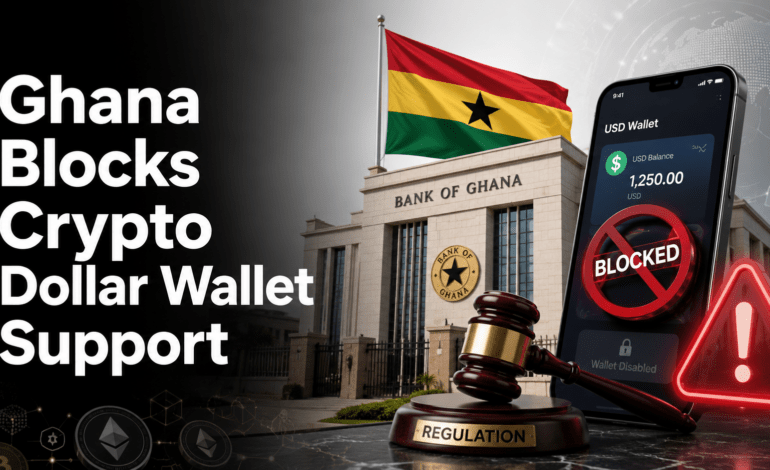
The Bank of Ghana has ordered banks, payment service providers, and other regulated financial institutions to stop supporting unauthorised foreign currency wallet services offered by crypto platforms to users in Ghana.
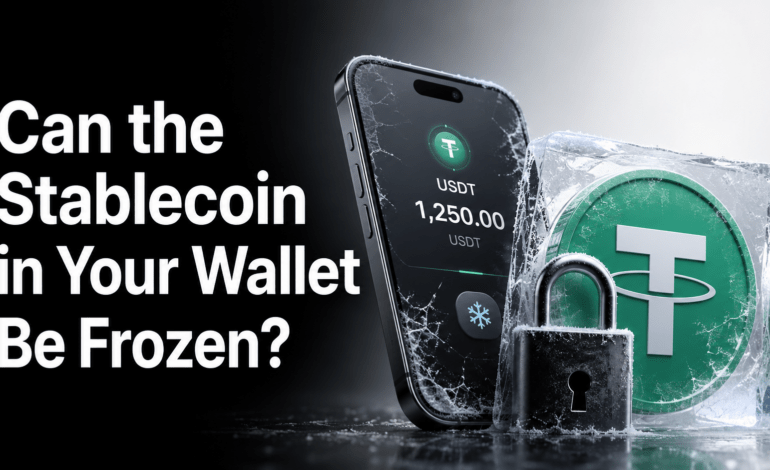
The directive targets fiat foreign currency wallet services, especially USD wallet arrangements, that are offered through crypto platforms but funded or settled through Ghana’s regulated financial system.
According to the Bank of Ghana, these services are typically supported through bank transfers, payment cards, and other payment channels provided by regulated financial institutions.
The central bank said the crypto platforms involved have not been authorised by the Bank of Ghana to undertake those activities.
What Exactly Did the Bank of Ghana Say?
The Bank of Ghana issued a supervisory directive to banks, specialised deposit-taking institutions, payment service providers, dedicated electronic money issuers, and other regulated financial institutions.
The directive tells these institutions to immediately stop any arrangements that support the funding, operation, or settlement of unauthorised fiat foreign currency wallet services offered by crypto platforms in Ghana.
In simple terms, the Bank of Ghana does not want local banks and fintechs helping unauthorised crypto platforms run dollar wallet services for Ghanaian users.
This is important because some crypto platforms allow users to hold or use foreign currency balances, especially USD balances, inside their platforms. These balances may be funded using local banking rails, cards, mobile money, or other payment channels.
The Bank of Ghana is now saying that if those services are not authorised, regulated financial institutions should not support them.
Is This a Ban on Crypto in Ghana?
This is not exactly a full ban on all crypto use in Ghana.
The directive is more specific. It focuses on unauthorised fiat foreign currency wallet services offered by crypto platforms and supported by regulated financial institutions.
That means the Bank of Ghana is not simply saying that every Ghanaian who owns crypto is breaking the law. Instead, the central bank is targeting the financial rails that allow unauthorised crypto platforms to offer foreign currency wallet services inside Ghana.
The difference matters.
A crypto user holding Bitcoin or USDT in a private wallet is not the main target of this directive. The main target is the relationship between crypto platforms and regulated Ghanaian financial institutions when those platforms offer unauthorised USD or foreign currency wallet services.
What Institutions Are Affected?
The directive applies to regulated financial institutions, including:
- Banks
- Specialised deposit-taking institutions
- Payment service providers
- Dedicated electronic money issuers
- Other regulated financial institutions
These institutions are now expected to stop supporting unauthorised crypto-linked foreign currency wallet services.
This could affect banks, fintechs, card processors, mobile money-related players, and other regulated payment firms that help users fund, settle, or operate these wallets.
For users, this may mean that certain deposit, withdrawal, card funding, or wallet settlement options linked to crypto platforms could stop working if the services are not authorised.
What Crypto Services Are Being Targeted?
The directive focuses on fiat foreign currency wallet services offered by crypto platforms.
This is different from simple crypto trading.
A fiat foreign currency wallet service may allow users to hold balances in a foreign currency, such as USD, inside a crypto platform. The service may then allow users to fund that balance, spend it, move it, or settle transactions through local banks and payment channels.
The Bank of Ghana’s concern is that such services may fall under payment and foreign exchange regulation.
So the issue is not only whether the platform deals with crypto. The issue is whether the platform is offering a financial service that requires Bank of Ghana approval.
How This Connects to Ghana’s Wider Crypto Regulation Push
This directive comes as Ghana is moving toward a more formal virtual asset regulatory framework.
The Bank of Ghana has already said it is working with the Securities and Exchange Commission and the Financial Intelligence Centre to introduce a legal framework to register and license Virtual Asset Service Providers in Ghana.
The Bank of Ghana has also required all Virtual Asset Service Providers operating in Ghana to register with the Bank.
This shows that Ghana is not treating crypto as something that can stay completely outside regulation.
The country appears to be moving in two directions at the same time.
First, it is building a framework for crypto businesses to register and eventually operate under rules.
Second, it is cutting off unauthorised services that may be operating through local financial rails without approval.
What This Means for Crypto Platforms
Crypto platforms serving Ghanaian users may now face more pressure to register, seek authorisation, or restructure their services.
If a platform offers foreign currency wallet services, especially USD wallet services, it may need to consider whether it requires approval from the Bank of Ghana.
Platforms may also lose access to local banking and payment partners if those partners decide the service is unauthorised.
This could make it harder for unauthorised platforms to offer easy funding and withdrawal options to Ghanaian users.
For global crypto companies, the message is clear:
If you want to serve Ghanaian users with fiat wallet, payment, or foreign currency services, you cannot ignore local financial regulation.
What This Means for Ghanaian Crypto Users
For ordinary users, the immediate impact may be felt through payment channels.
Some users may find that certain crypto platform wallet services, card funding options, or bank transfer routes are no longer available.
This does not necessarily mean users cannot hold crypto. But it may affect how users fund crypto accounts or access foreign currency wallet services through crypto platforms.
Users should be careful with platforms claiming to offer USD wallets, dollar balances, or foreign currency services in Ghana without clear regulatory approval.
If a platform is not authorised and local payment partners cut support, users may face delays, withdrawal problems, or service disruptions.