









Kenya Risks Pricing Out Crypto Startups With Heavy Regulation – VAAK CEO Robert Muoka

Blockwisely Insider Talks
Welcome to Blockwisely Insider Talks, a new weekly feature bringing you in-depth conversations, expert analysis, and thought-provoking perspectives that go beyond the headlines to explore the ideas, builders, regulators, and innovators shaping the future of blockchain and digital assets.
For years, Kenya’s crypto economy has largely operated in regulatory limbo.
Despite the country becoming one of Africa’s most active markets for digital assets, policymakers have struggled to answer a difficult question:
How do you regulate a technology designed to move faster than regulation itself?
Now, as Kenya moves closer toward implementing a framework for Virtual Asset Service Providers (VASPs), the debate is shifting from whether regulation should exist to what kind of regulation the country actually needs.
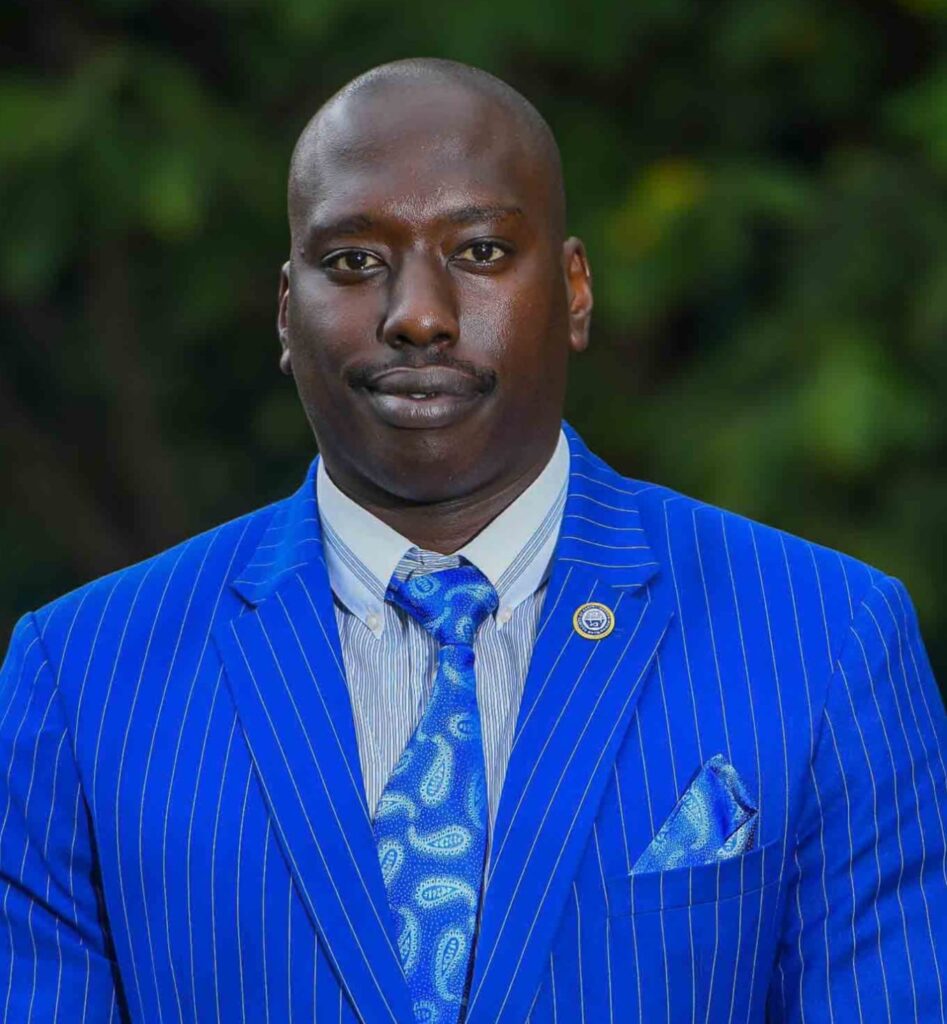
At the center of that discussion is Robert Muoka(above) — an Advocate of the High Court of Kenya and CEO of the Virtual Assets Association of Kenya (VAAK), an industry body helping shape conversations between regulators, startups, exchanges, and blockchain innovators.
In an interview with Blockwisely, Muoka argues that Kenya stands at a critical crossroads.
Overregulation, he warns, could suffocate local innovation before the industry fully matures.
But weak oversight could equally undermine consumer trust and expose the sector to abuse.
The challenge, according to Muoka, is building a framework that protects users without shutting out the very startups driving Africa’s digital asset economy forward.
Editor’s Note: This interview has been edited for brevity & clarity
Good Intentions Alone Are Not Enough
Blockwisely: As we look at the draft Regulations intended to operationalize the VASP Bill, what are the primary hurdles that could hinder the industry’s growth?
Muoka: While the intentions behind the draft are sound, there are several “red flags” that could stifle innovation if left unaddressed. Specifically:
- Broad Definitions: The current definition of “Advertisement” is far too wide, potentially catching educational content, white papers, and routine industry discussions in its net.
- Prohibitive Costs: Stakeholders are concerned about high percentage-based fees and capital requirements that may be out of reach for many.
- Operational Friction:Unnecessary licensing layers and overly tight restrictions on shareholding and stablecoin reserves create friction that could hurt the industry.
A Tiered Licensing System Instead Of One-Size-Fits-All Rules
Blockwisely: How do we protect consumers without creating a regulatory environment that only the largest players can afford?
Muoka: I advocate for a risk-based, tiered licensing system. This means:
- Licensing by Function:We should distinguish between entities handling custody, trading, or simply providing advisory services.
- Proportional Requirements: Higher capital and solvency standards should apply to those holding customer assets, while non-custodial services should face lighter requirements.
- Start-up Friendly Paths: Implementing tiered capital thresholds and simplified processes for startups,coupled with regulatory sandboxes,allows for testing without massive upfront costs.
Sustainable Startup Ecosystem
Blockwisely: Startups are the lifeblood of Kenya’s tech scene. How can we ensure compliance doesn’t become a barrier to entry?
Muoka: Proportionality is key. We need rules that don’t impose the same heavy burdens on a small payment processor as they would on a global exchange. Moving toward fixed renewal fees instead of percentages of turnover would allow innovative startups to survive and scale without compromising market stability.
Taxation
Blockwisely: What about the government’s need for revenue? Is there a tax approach that satisfies the Treasury while encouraging growth?
Muoka: Predictability is the most valuable asset for a business. Moving toward fixed, reasonable transaction fees,for example, around 0.02%, would boost liquidity and trading activity. This approach supports long-term government collections by attracting more investment and expanding the overall market size.
Industry Trust
Blockwisely: Scams and fraud remain a concern for many Kenyans. Which consumer protection measures should be the priority?
Muoka: Trust is foundational. We must prioritize:
- Asset Integrity: Strict client asset segregation and bankruptcy remoteness.
- Transparency: Mandatory risk disclosures and clear fee structures.
- Security: Robust AML/KYC protocols and strong cybersecurity standards.
- Education: Public campaigns focused on self-custody risks and how to identify scams
Global Alignment
Blockwisely: How does Kenya balance international standards like FATF with the specific needs of the African market?
Muoka: We should align with FATF Recommendation 15 for global credibility, but with real life Africa situations. This involves focusing on mobile-first, remittance-heavy use cases and supporting the tokenization of real-world assets like agriculture and carbon credits. By leveraging our existing mobile money infrastructure, Kenya can position itself as East Africa’s crypto hub while addressing the realities of the informal economy.
Tokenization, Land Fraud, And The Problem That Pulled Him Into Crypto
Blockwisely: To wrap up, what was the personal catalyst that convinced you of this industry’s long-term potential?
Muoka: In early 2021, I founded My Shamba Digital, a proptech startup focused on using tokenization to resolve land disputes and reduce fraud. By converting property rights into digital tokens, we made ownership records transparent and immutable, making it nearly impossible to double-sell property or forge documents.That experience showed me how virtual assets could provide ordinary Kenyans with real financial tools,faster remittances, better savings, and new ways to fund small businesses and agriculture. Our young, digitally savvy population is perfectly positioned to lead this charge.
Closing thoughts
With public participation having officially concluded on April 10, 2026, the technical working committee is now retreating to deliberate on the industry’s feedback and craft the final regulations that will determine whether Kenya becomes a global blockchain hub or a cautionary tale of missed opportunity.
Muoka’s final position is clear. He supports strong consumer protection and alignment with international standards, but insists that regulation must remain proportionate, locally adapted, and innovation-friendly.
Kenya, he argues, already has the talent and market momentum needed to lead. The real question is whether the regulatory environment will enable that growth or constrain it.
Let’s not regulate it away,” he notes.