




Russia Tightens Crypto Rules, Restricts Self-Custody Wallet Transfers

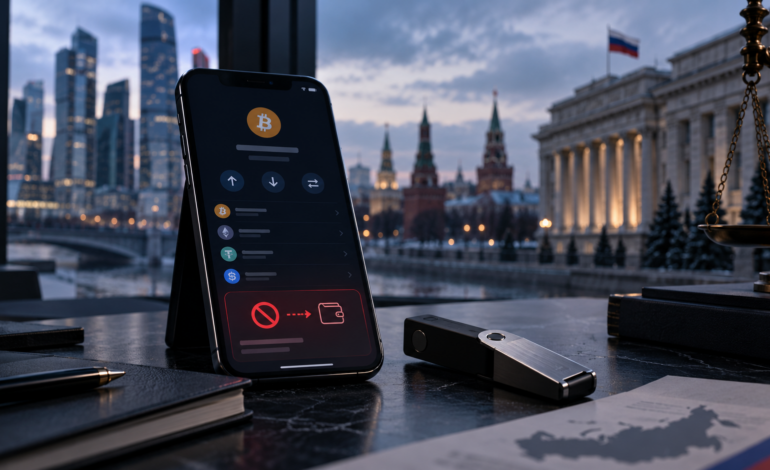
Russia is tightening its cryptocurrency regulations, introducing restrictions that will significantly change how individuals buy, sell and transfer digital assets.
Under the new framework, direct peer-to-peer (P2P) cryptocurrency transactions between individuals will no longer be permitted from July 1, 2027, while transfers from regulated digital accounts to personal self-custody wallets are also restricted.
The Central Bank of Russia confirmed the restrictions in regulatory guidance updated on October 12, 2026.
The rules form part of Russia’s broader effort to establish a regulated cryptocurrency market in which licensed financial institutions and approved service providers oversee digital asset transactions.
Russia to End Direct P2P Crypto Trading in July 2027
Peer-to-peer trading allows individuals to buy and sell cryptocurrencies directly with one another, often using platforms such as Binance P2P or other marketplaces.
Under Russia’s new framework, these direct transactions will no longer be permitted outside the regulated system after June 30, 2027.
Instead, Russian residents who are not authorised cryptocurrency service providers must conduct transactions through or with regulated intermediaries.
These include:
- Licensed brokers: Financial institutions authorised by the Bank of Russia to facilitate cryptocurrency transactions.
- Registered cryptocurrency exchanges: Organisations permitted to buy and sell digital currencies.
- Other authorised intermediaries: Approved financial market participants operating within the new regulatory framework.
The central bank has clarified that individuals may continue conducting direct P2P transactions during the transition period, but the new restrictions take effect on July 1, 2027.
What Happens to Self-Custody Wallets?
One of the most significant aspects of the regulations concerns self-custody wallets.
A self-custody wallet allows cryptocurrency holders to control their own private keys without relying on an exchange or other custodian.
Popular examples include MetaMask, Trust Wallet and hardware wallets such as Ledger.
Under Article 31(9) of Russia’s Federal Law No. 282-FZ, individuals are not permitted to transfer cryptocurrency from a regulated digital account into their own non-custodial wallets.
The Bank of Russia’s official clarification explicitly addresses this restriction, including situations where the regulated account and self-custody wallet belong to the same person.
This represents a major limitation on the freedom to move cryptocurrency between regulated platforms and personally controlled wallets.
However, the rule should not be confused with a nationwide ban on owning hardware wallets or possessing cryptocurrency.
The restrictions concern specified transactions and transfers, not the mere ownership of a private wallet.
Why Is Russia Introducing These Regulations?
Russia’s cryptocurrency framework is designed to bring digital asset trading into a formally regulated financial system.
The legislation establishes requirements for exchanges, brokers, digital repositories and other organisations involved in cryptocurrency transactions.
In its July 21 announcement, the Bank of Russia explained that the new system would allow both qualified and non-qualified investors to access cryptocurrencies through regulated intermediaries.
However, different restrictions apply depending on the investor’s classification.
Non-qualified investors must pass a knowledge assessment and are limited to purchasing up to 300,000 Russian rubles annually through each intermediary.
Qualified investors must also pass an assessment but are not subject to the same purchase limit.
The framework also maintains Russia’s prohibition on using cryptocurrencies to pay for goods and services domestically.
Are Cross-Border Cryptocurrency Transactions Still Allowed?
Yes. Russia’s rules include important exceptions for international transactions.
According to the central bank, Russian exporters and importers can use cryptocurrencies for cross-border trade settlements.
These transactions may involve regulated intermediaries or direct transfers using cryptocurrency wallets, including self-custody wallets.
Russian residents may also undertake certain cryptocurrency transactions abroad, subject to requirements involving foreign bank accounts, regulated intermediaries and tax reporting.
This means Russia is not imposing a complete ban on cryptocurrency transfers or self-custody in every situation.
The legal treatment depends on the transaction, the parties involved and whether it falls within an authorised exception.
Russia Has Already Started Licensing Crypto Businesses
Russia’s regulatory transition is already underway.
On October 6, the Bank of Russia announced that it had admitted its first group of cryptocurrency businesses into the regulated financial market.
The initial registrations included five digital repositories and four cryptocurrency exchange organisations.
These businesses must comply with requirements covering cryptocurrency transactions, recordkeeping and customer asset management.
The new regulatory framework took effect on September 1, 2026, while the July 2027 deadline marks an important transition for direct transactions and compliance.
Frequently Asked Questions
Is Russia banning cryptocurrency?
No. Russia has established a legal framework that allows cryptocurrency trading through regulated intermediaries while restricting certain direct transactions and transfers.
When will Russia ban direct P2P crypto trading?
Direct P2P cryptocurrency transactions between individuals will no longer be permitted under the general domestic framework from July 1, 2027.
Are self-custody wallets illegal in Russia?
The central bank’s guidance restricts transfers from regulated digital accounts into personal non-custodial wallets. It does not establish a blanket ban on possessing self-custody wallets.
Can Russians still buy Bitcoin and USDT?
Cryptocurrency purchases remain permitted within the regulated framework, subject to applicable investment restrictions. Foreign stablecoins such as USDT are also subject to Russia’s digital currency rules.
Can Russian businesses still use cryptocurrency for international payments?
Yes. Russian importers and exporters are permitted to use cryptocurrencies for cross-border settlements under the exceptions established by the regulatory framework.