








Another Week of Crypto Hacks: Allbridge, Triple-A & What African Users Must Do Now

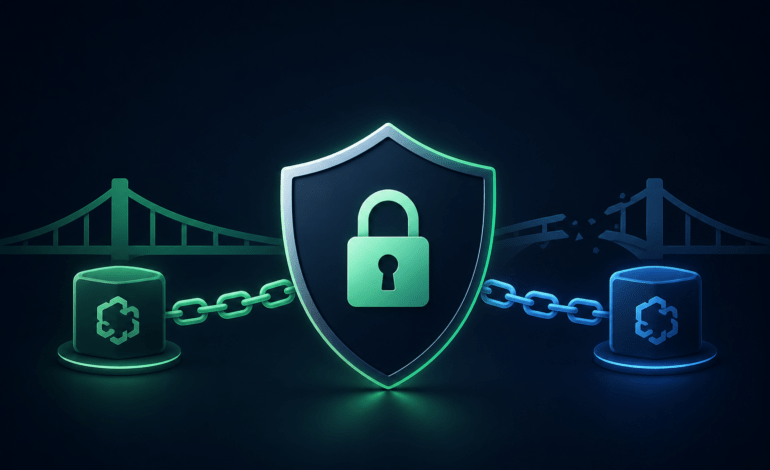
Crypto hacks 2026 continue to remind investors that security should always come before profits. This week alone, multiple high-profile security breaches targeted cross-chain bridges, wallets, and payment platforms, resulting in tens of millions of dollars in reported losses.
While blockchain technology itself remains highly secure, the applications built on top of it bridges, exchanges, wallets, and DeFi protocols are still attractive targets for attackers.
If you use crypto for remittances, cross-border payments, trading, or investing, these incidents serve as an important reminder to review how and where you store your digital assets.
What Happened This Week?
Allbridge Core Exploit (~$1.65 Million)
Cross-chain stablecoin bridge Allbridge Core temporarily paused operations after attackers exploited its Solana liquidity pools, stealing approximately $1.65 million.
According to reports, the attacker used a classic flash loan attack. They borrowed roughly $1.12 million USDC from Kamino, rapidly swapped between USDC and USDT to manipulate the liquidity pool’s pricing, withdrew assets at distorted values, and repaid the loan all within a single blockchain transaction.
After completing the exploit, the stolen funds were bridged to Ethereum.
Following the incident, Allbridge advised liquidity providers to withdraw any remaining funds while investigations continue. This is not the first major security incident involving the protocol, highlighting the ongoing risks associated with cross-chain infrastructure.
Triple-A Hot Wallet Breach (~$9.7 Million)
Crypto payments company Triple-A also suffered a significant security breach after attackers compromised one of its hot wallets.
More than $9.7 million worth of digital assets were reportedly drained across multiple blockchain networks. On-chain investigators observed large amounts of ETH being consolidated into wallets controlled by the attackers, a common tactic used after successful exploits.
The incident once again demonstrates the risks associated with internet-connected wallets that hold customer funds.
Other Security Incidents
Several additional bridge and protocol exploits were reported during the same period, pushing estimated weekly losses into the tens of millions of dollars.
Although each attack used different techniques, one pattern continues to emerge:
Cross-chain bridges remain one of the most frequently targeted areas within the crypto ecosystem.
Why This Matters for African Crypto Users
Across Nigeria, Kenya, Ghana, South Africa, and many other African countries, cryptocurrency has become more than an investment.
Millions of people rely on crypto for:
- Cross-border payments.
- International remittances.
- Freelance income.
- Savings and wealth preservation.
- Trading digital assets.
- Accessing decentralized finance (DeFi).
Many users also depend on cross-chain bridges to move assets between blockchain networks or use crypto payment platforms for everyday transactions.
When one of these services is compromised, recovering stolen funds is often extremely difficult. Unlike traditional banking systems, there is usually no guarantee of reimbursement, and legal protections remain limited in many jurisdictions.
For this reason, security should be treated as a personal responsibility rather than an optional extra.
Practical Steps to Protect Your Crypto
While no security strategy is perfect, following good practices can significantly reduce your exposure to common attacks.
Don’t Leave Large Amounts on Bridges
Cross-chain bridges are useful tools, but they should not be treated as long-term storage.
Bridge only the amount you need and transfer your assets to a secure wallet immediately after the transaction is complete.
Use Non-Custodial Wallets
Whenever possible, keep the majority of your assets in wallets where you control the private keys.
Examples include Trust Wallet, MetaMask, Rabby Wallet, or hardware wallets that support self-custody.
Remember the common saying in crypto:
“Not your keys, not your coins.”
Store Long-Term Investments Offline
If you’re holding crypto for months or years, consider using a hardware wallet such as Ledger or Trezor.
Cold storage keeps your private keys offline, making them significantly harder for attackers to access remotely.
Research Every Protocol Before Using It
Before connecting your wallet to any bridge or DeFi application, take a few minutes to investigate.
Ask questions like:
- Has the protocol been audited?
- Has it suffered previous exploits?
- Is the development team transparent?
- Does the community trust it?
A few minutes of research can prevent significant losses.
Enable Every Available Security Feature
Protect every crypto account with:
- Two-factor authentication (2FA).
- Strong and unique passwords.
- Secure backup methods.
- Withdrawal protection where available.
Never share your seed phrase with anyone.
No legitimate platform or support agent will ever ask for it.
Watch Out for Phishing
Many successful crypto thefts don’t involve sophisticated blockchain exploits at all.
Instead, attackers trick users into signing malicious transactions or revealing wallet credentials through fake websites, emails, Telegram groups, Discord servers, or social media messages.
Always verify URLs, bookmark official websites, and avoid clicking links shared by unknown sources.
The Bigger Picture
These repeated incidents do not necessarily indicate weaknesses in blockchain technology itself.
Instead, they highlight the challenges of securing the rapidly growing ecosystem of applications built around blockchain networks.
Bridges, smart contracts, payment platforms, and wallet infrastructure remain active areas of innovation—but they also represent attractive targets for cybercriminals.
As the industry matures, stronger security standards, better auditing practices, and improved user education will be essential.
Until then, users should approach every third-party platform with caution and make security a core part of their crypto journey.
Final Thoughts
The events of this week reinforce an important lesson for every crypto user:
Security is not optional in Web3. it is essential.
Whether you’re sending remittances, trading digital assets, or simply holding crypto for the long term, protecting your funds should always come before chasing the next opportunity.
Technology will continue to evolve, but good security habits remain your strongest defense.
Have you ever been affected by a crypto hack or phishing attempt? What security practices do you rely on to protect your digital assets? Share your experience in the comments and help others stay safe.