








Bitcoin’s Rollercoaster Week


Last week, Bitcoin reminded everyone why it still makes even experienced investors uneasy.
In just seven days, the price slid roughly 10 to 12 percent. Bitcoin moved from around $88,000 down to near $78,000, with a brief drop below $75,000 along the way. Those lower levels had not been seen for close to a year. By the end of the week, the price found some balance in the mid-$70,000 range, but the damage to confidence had already been done.
This was not a random dip or a normal slow bleed that crypto traders are used to. What happened was the result of several forces hitting the market at the same time. When that happens, fear spreads faster than logic, and prices tend to fall harder than anyone expects.
A Market That Suddenly Got Nervous
For weeks before the drop, Bitcoin had been trading with a sense of calm. Volatility was lower, dips were being bought quickly, and many traders believed the worst corrections were already behind us. That confidence made the market fragile.
When everyone expects stability, even a small shock can turn into a big reaction.
Last week, that shock came from multiple directions.
Liquidations Lit the First Match
One of the biggest drivers of the sell-off was forced liquidations. Over a single weekend, more than $2.5 billion worth of Bitcoin positions were wiped out.
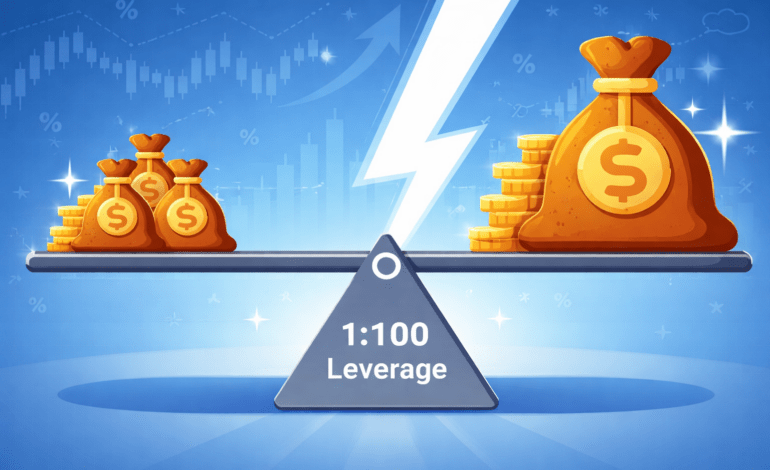
Liquidations happen when traders use leverage and the price moves against them. Once certain levels are hit, exchanges automatically close those positions. That means selling happens instantly, without emotion or discretion. When many traders are positioned the same way, these forced sells stack on top of each other.
This creates a chain reaction.
As prices fall, more positions get liquidated. Those liquidations push the price lower, triggering even more forced selling. What starts as a normal drop quickly turns into a waterfall.
This was not limited to crypto. Other assets tied to risk, including gold and silver, also sold off during the same period. That tells us something important. Investors were not just scared of Bitcoin. They were pulling back from risk across the board.
The Macro Picture Started to Matter Again
Crypto markets like to believe they live in their own universe, but last week was a reminder that macro economics still matter.
Investors were reacting to shifting expectations around US monetary policy. The nomination of Kevin Warsh as Federal Reserve Chair was a major talking point. Many market participants see him as someone who could support tighter monetary conditions.
Tighter policy changes the entire investment landscape.
When interest rates stay high or rise further, bonds become more attractive. Cash starts earning more. Risky assets suddenly have competition. Bitcoin, which offers no yield, becomes harder to justify for conservative capital.
This does not mean Bitcoin is broken. It means money becomes more selective.
As fears around tighter policy grew, investors stepped back from speculative trades. That shift in mindset alone was enough to cool demand and weaken prices.
Key Price Levels Failed, and Traders Noticed
From a technical standpoint, Bitcoin did something that traders hate to see. It broke below key support around $80,000.
Support levels matter because they represent collective belief. When a price holds a level repeatedly, traders trust it. When it breaks, that trust disappears quickly.
Once $80,000 failed, several things happened at once.
Traders who were bullish started closing positions. Stop-loss orders were triggered automatically. Short-term traders began betting on further downside.
Momentum flipped.
Some analysts pointed out that the weekly chart showed deeper structural weakness. If Bitcoin cannot reclaim those broken levels, the next major area of interest sits closer to $74,000. Markets often move from one major level to the next when confidence breaks.
Institutional Buyers Took a Step Back
Another quiet but important factor was the lack of strong buying from institutions.
Bitcoin spot ETFs have been a major source of demand in recent months. When prices dip and ETF inflows remain strong, it sends a clear signal that long-term capital is stepping in.
Last week, that signal was missing.
Inflows into these products were weak, suggesting that large players were not eager to buy the dip. That does not mean institutions are bearish forever. It does mean they are being patient.
When big money waits, rebounds tend to stall.
Without strong buyers absorbing selling pressure, price recoveries struggle to gain momentum. That is exactly what we saw as Bitcoin attempted small bounces that quickly faded.
Why the $76,000 to $74,000 Zone Matters
Looking ahead, Bitcoin’s short-term fate depends heavily on how it behaves around the $76,000 to $74,000 range.
This zone matters for two reasons.
First, it has acted as support in the past. Markets remember these areas, and traders watch them closely.
Second, it carries psychological weight. Holding above it suggests strength and resilience. Losing it suggests fear is still in control.
If Bitcoin holds this range, it could form a base. Bases often lead to consolidation, followed by renewed upward moves once confidence returns.
If it fails, the market may search for lower prices where buyers feel comfortable again.
What Could Change the Story
Bitcoin does not exist in a vacuum. Its next move will depend on broader conditions.
Improved risk appetite across markets would help. Clearer signals from central banks would reduce uncertainty. Renewed institutional interest would add stability and depth to price action.
Any combination of these could allow Bitcoin to recover lost ground.
However, macro forces like interest rates, the strength of the US dollar, and general risk sentiment are likely to remain more influential than internal crypto news for now.
Bitcoin’s behavior last week was not chaotic or meaningless. It was the result of a market adjusting to stress, uncertainty, and changing expectations.
Forced liquidations accelerated the fall. Broken technical levels damaged confidence. Weak institutional inflows limited the bounce. Together, these factors created a sharp and uncomfortable move lower.
What happens next will depend on whether buyers regain confidence at key levels and whether the broader market environment becomes more supportive of risk.
For now, Bitcoin is doing what it has always done best. It is forcing participants to confront their assumptions, their leverage, and their patience.
And once again, it is reminding everyone that calm in crypto is often just the quiet before the next lesson.