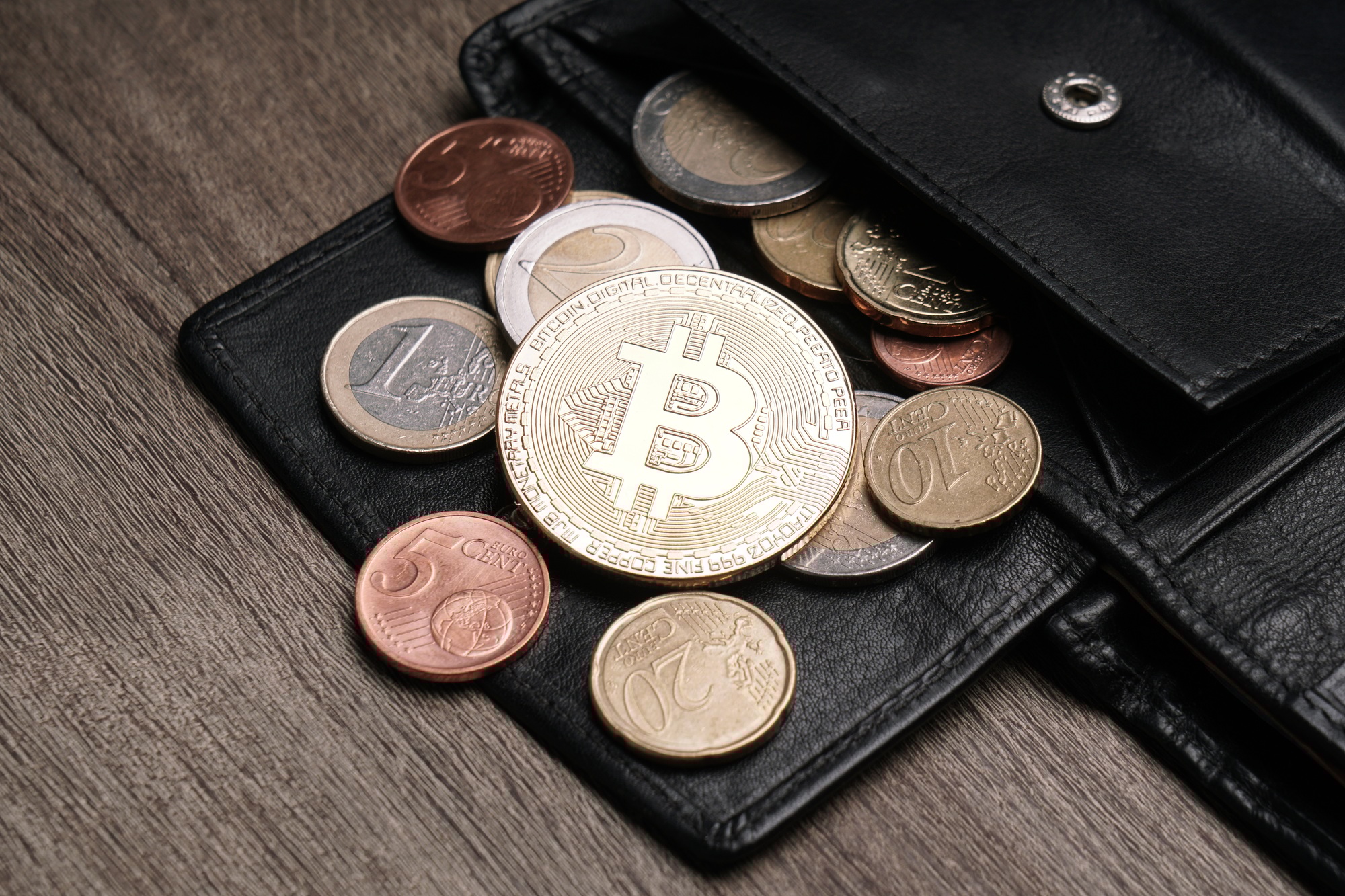









Crypto Market Loses $100 Billion as Bitcoin, Ethereum and XRP Slide


The cryptocurrency market suffered another sharp selloff on Thursday, October 15, wiping approximately $100 billion off its total market capitalisation as Bitcoin, Ethereum, XRP and other major digital assets recorded significant losses.
The decline pushed the overall crypto market valuation to approximately $2.7 trillion.
The downturn comes amid growing uncertainty over US interest rates, stubborn inflation and a wave of forced liquidations across cryptocurrency exchanges.
Bitcoin Falls Towards $80,000 as Ethereum and XRP Slide
Bitcoin (BTC), the world’s largest cryptocurrency, dropped to approximately $80,200, extending its recent losses after failing to sustain a recovery towards $84,000.
Ethereum (ETH) suffered an even sharper decline, falling towards $2,315 before recovering slightly. XRP, Solana (SOL) and several other major altcoins also recorded losses. Ethereum and XRP fell by approximately 5.5% and 5.1%, respectively, during one reporting window, compared with Bitcoin’s 3.1% decline.
The figures suggest that investors were reducing their exposure to riskier cryptocurrencies, with altcoins generally experiencing heavier selling pressure than Bitcoin.
Nearly $1 Billion in Crypto Positions Liquidated
The selloff also triggered significant losses for traders using leverage. Nearly $1 billion worth of leveraged cryptocurrency positions were liquidated as prices declined.
Ethereum traders were among the hardest hit, with approximately $286 million in ETH futures positions liquidated during an earlier 24-hour reporting period.
Liquidations occur when exchanges automatically close leveraged trading positions because traders no longer have sufficient collateral to cover their losses.
These forced closures can intensify market declines by creating additional selling pressure.
Why Is the Crypto Market Falling?
Several factors appear to be contributing to the downturn.
Higher-than-expected US inflation has raised concerns that the Federal Reserve could maintain restrictive interest rates for longer than investors anticipated.
At the same time, uncertainty in global financial markets has weakened demand for risky assets, including cryptocurrencies.
The combination of economic pressure, declining investor confidence and leveraged liquidations has made the market particularly volatile.