







Data Sovereignty in Nigeria: Why It Matters for Fintech Users and How Blockchain Can Help

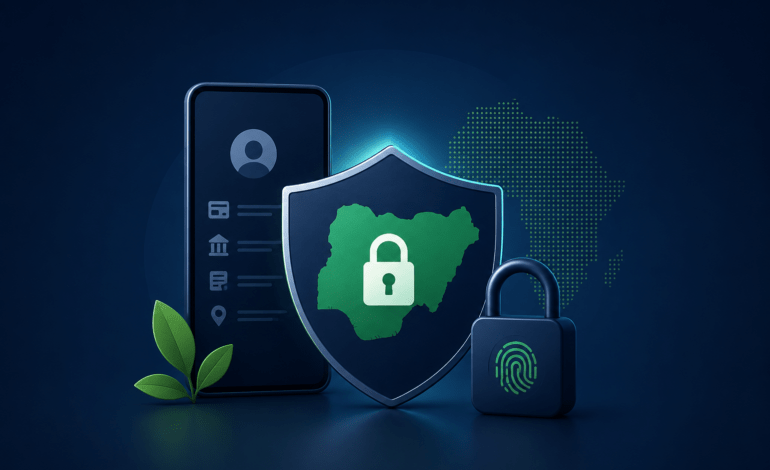
Every time you use a fintech app in Nigeria, you’re sharing valuable personal information. Whether you’re transferring money with Opay, saving with PiggyVest, paying bills through PalmPay, receiving payments via Flutterwave, or trading crypto, these platforms collect data such as your identity, bank details, transaction history, spending habits, device information, and even your location. This growing collection of personal information has brought data sovereignty in Nigeria into the spotlight. As more Nigerians embrace digital finance, an important question is emerging: Who really owns your data, and who decides how it is used?
Governments, regulators, fintech companies, and blockchain innovators are all trying to answer this question. At the same time, new technologies are giving users more control over their own digital identities than ever before.
Let’s explore what data sovereignty means, why it matters, and how blockchain could reshape the future of digital privacy.
Understanding Data Sovereignty
Data sovereignty refers to the principle that personal data should be governed by the laws of the country where it belongs. In practical terms, information about Nigerian citizens should be protected under Nigerian laws, regardless of where the servers storing that information are located.
As digital services continue to grow, governments want to ensure that citizens’ personal information is not processed or transferred without appropriate legal safeguards. Consequently, many countries have introduced stronger data protection regulations to protect individuals from misuse of their personal information.
For everyday fintech users, this affects much more than many people realize. From opening a digital bank account to applying for loans or completing Know Your Customer (KYC) verification for cryptocurrency platforms, your personal data is constantly being collected and processed.
Why Nigeria Is Strengthening Data Protection
Nigeria’s digital economy has expanded rapidly over the last decade. Millions of people now rely on fintech platforms for daily financial activities, making personal data one of the country’s most valuable digital assets.
To address growing privacy concerns, Nigeria introduced the Nigeria Data Protection Regulation (NDPR), which establishes rules for how organizations collect, process, store, and protect personal information.
The NDPR requires organizations to:
- Collect only necessary personal information.
- Clearly explain why they are collecting data.
- Protect user information with appropriate security measures.
- Obtain consent where required.
- Respect users’ rights regarding their personal information.
These rules help ensure that organizations remain accountable when handling sensitive financial data.
How NDPR Compares with GDPR
Many people have heard about Europe’s General Data Protection Regulation (GDPR), often regarded as one of the world’s strongest privacy laws. While Nigeria’s NDPR serves a similar purpose, there are some notable differences.
Both regulations are designed to protect personal data, require organizations to process information lawfully and transparently, and give individuals greater control over how their information is used. However, GDPR provides broader rights, including the ability to request that personal information be deleted in certain circumstances—a concept often referred to as the “right to be forgotten.” It also places stricter obligations on organizations that process data across international borders.
Meanwhile, the NDPR focuses specifically on protecting the personal information of Nigerians and ensuring organizations operating within Nigeria comply with local privacy requirements.
Although the two frameworks differ in scope, they share the same fundamental goal: giving individuals greater control over their personal information while holding organizations accountable for protecting it.
Why Data Sovereignty Matters for Everyday Nigerians
For most users, data sovereignty may sound like a legal issue. In reality, it directly affects how safely you use financial services every day.
When companies comply with local data protection laws, users benefit from stronger privacy protections and clearer accountability. If a company mishandles customer information, Nigerian regulators have greater authority to investigate and enforce compliance.
Data sovereignty can also increase trust in digital financial services. People are generally more willing to use online banking, investment platforms, and fintech applications when they know their personal information is protected under local laws.
However, implementing these protections is not without challenges. Fintech companies often need to invest heavily in cybersecurity, local infrastructure, legal compliance, and ongoing audits. As a result, operating costs may increase, potentially leading to higher service fees or slower rollout of new products.
Nevertheless, many experts believe these trade-offs are worthwhile if they result in stronger consumer confidence and a safer digital economy.
How Blockchain Changes the Conversation
Traditional financial platforms usually store customer information in centralized databases controlled by a single organization.
Blockchain introduces a different model.
Instead of relying entirely on one company to manage your digital identity, blockchain enables individuals to own and control their own credentials through a concept known as Self-Sovereign Identity (SSI).
With Self-Sovereign Identity, users can store verifiable digital credentials in secure digital wallets and decide exactly what information they want to share with service providers.
Rather than repeatedly uploading copies of passports, driver’s licenses, or utility bills to different platforms, users could verify their identity while maintaining greater privacy and control.
This represents a significant shift from company-owned identity systems toward user-owned digital identities.
What Are Zero-Knowledge Proofs?
One of the most exciting technologies supporting Self-Sovereign Identity is called a Zero-Knowledge Proof (ZKP).
Despite the technical name, the concept is surprisingly simple.
Imagine you’re entering an event where only people aged 18 or older are allowed. Normally, you would show your identification card. However, that card reveals much more information than necessary, including your full name, home address, date of birth, identification number, and photograph.
The security guard only needs to know one thing:
Are you over 18?
A Zero-Knowledge Proof allows you to prove that you meet the age requirement without revealing any of the other personal information on your ID.
The same principle applies to financial services.
Instead of sending complete identity documents every time you sign up for a platform, you could simply prove that:
- You have completed KYC verification.
- You are a Nigerian resident.
- You meet a platform’s eligibility requirements.
All of this can happen without exposing unnecessary personal details.
As a result, Zero-Knowledge Proofs reduce the amount of sensitive information companies need to store, lowering privacy risks while still satisfying regulatory requirements.
Blockchain Can Give Users More Control
Blockchain technology offers several advantages beyond digital identity.
Decentralized identity systems reduce reliance on centralized databases that can become attractive targets for hackers.
Non-custodial wallets allow users to control their own digital assets without depending on third parties to hold private keys.
Blockchain also creates transparent transaction records that can be independently verified while protecting sensitive personal information.
Several African blockchain projects are already exploring decentralized identity solutions that could transform how users interact with banks, fintech platforms, healthcare providers, educational institutions, and government agencies.
As these technologies mature, they may significantly reduce identity fraud while giving users greater ownership of their personal information.
Practical Tips to Better Protect Your Data
Regardless of which financial platform you use, there are practical steps you can take to improve your digital privacy.
Always read an application’s privacy policy before creating an account. While many users skip this step, it helps you understand how your information will be collected, stored, and shared.
Enable two-factor authentication (2FA) on all fintech and cryptocurrency accounts to provide an additional layer of protection.
Use strong, unique passwords instead of reusing the same password across multiple services.
If you use cryptocurrency, consider reputable non-custodial wallets when appropriate so that you maintain control over your private keys.
Finally, ask yourself an important question before signing up for any financial platform:
“Does this service give me meaningful control over my data, or am I simply handing everything over to the company?”
Looking Ahead
Data sovereignty is no longer just a discussion for policymakers or technology companies. It is becoming increasingly important for every Nigerian who uses digital financial services.
As fintech adoption continues to grow and privacy regulations become stronger, users will expect greater transparency, better security, and more control over their personal information.
Blockchain technologies such as Self-Sovereign Identity and Zero-Knowledge Proofs offer a promising path toward a future where individuals not platforms decide what information they share and when they share it.
The digital economy works best when trust exists between users and service providers. Giving people greater ownership of their personal data could become one of the most important innovations in African fintech over the coming years.
What do you think? Should fintech companies store customer data locally under Nigerian regulations, or do you believe blockchain-based identity solutions are the better long-term answer? Share your thoughts in the comments.
Suggested Links
- How Stablecoins Are Changing Cross-Border Payments in Africa
- Ethereum Foundation – Zero-Knowledge Proofs